

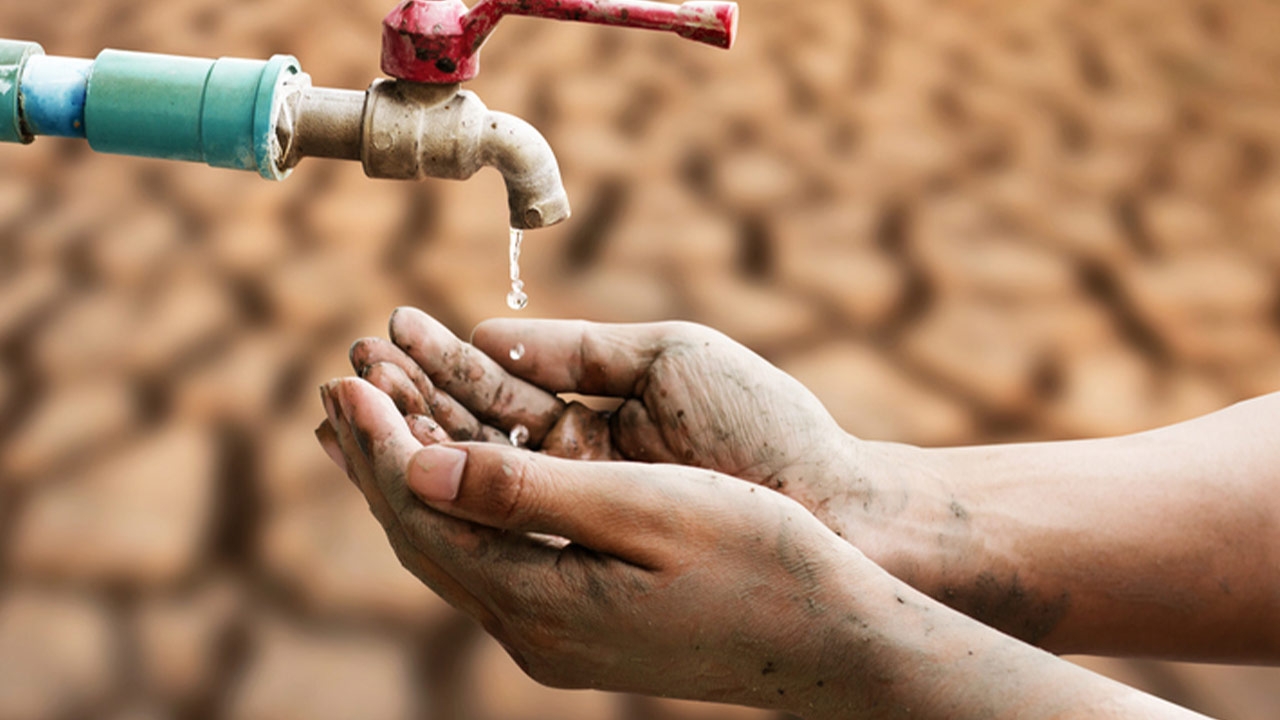
The impact of the 2026 "Super El Niño" is expected to cause severe drought, with temperatures not as cold as last year, shaking the agricultural sector with drought conditions accumulating into next year.
The movement of El Niño towards Thailand will become evident during the first half of 2026, especially in the rainy season when rainfall is expected to be below average. This will reduce the water reserves that must be stored for use in the following year, posing a major challenge for Thai policymakers to plan solutions for farmers.
Thairath Online's special news team interviewed Associate Professor Dr. Seree Supharat, Director of the Climate Change and Disaster Center at Rangsit University. He explained that global climate model analyses show clear signals that the world is fully entering the El Niño phenomenon. Experts are particularly concerned about the intensity of this event, whether it will reach the "strong" or "super El Niño" level.

Associate Professor Dr. Seree expects this El Niño event to intensify, peaking toward the end of the year. Of particular concern are the "amplifying factors" from global warming, which have already elevated global temperature levels. Although this El Niño may not be the most intense in history, its actual impacts could be severe and cause unprecedented damage.
Thailand will face multiple impacts, primarily as follows:
High temperature crisis: From February to April 2027, temperatures will rise significantly, potentially reaching 44 degrees Celsius or higher in some areas.
Seasonal variability: Winters will be milder or less cold than usual.
Rainy season: Rainfall will be below normal levels, directly affecting reservoir water reserves for the following year.
Agriculture: This sector will be hardest hit due to water shortages combined with extreme heat, causing crop damage and reduced yields.

To overcome this crisis, preparations are essential:
At the policy level (government), urgent measures are needed to support farmers, especially managing agricultural areas to balance with available water resources. For example, controlling or reducing off-season rice cultivation in areas without sufficient irrigation to minimize farmers' risks.
At the producer level (farmers), lessons from 2018 should be applied by studying how some farmers managed to survive then, to improve cultivation methods and water management.
At the community and urban living level, health monitoring is crucial: Avoid prolonged outdoor activities to protect against heatwave dangers.
Housing improvements include increasing green spaces or installing misting systems to lower surrounding temperatures.

The "cool room" innovation proposes establishing refuge areas scattered throughout cities, powered by clean solar energy to help reduce heat exposure for residents.
El Niño is not a distant issue nor only about drought; it represents a heat crisis and resource security challenge that will persist into next year. Awareness and preparedness starting today are therefore critically important.