

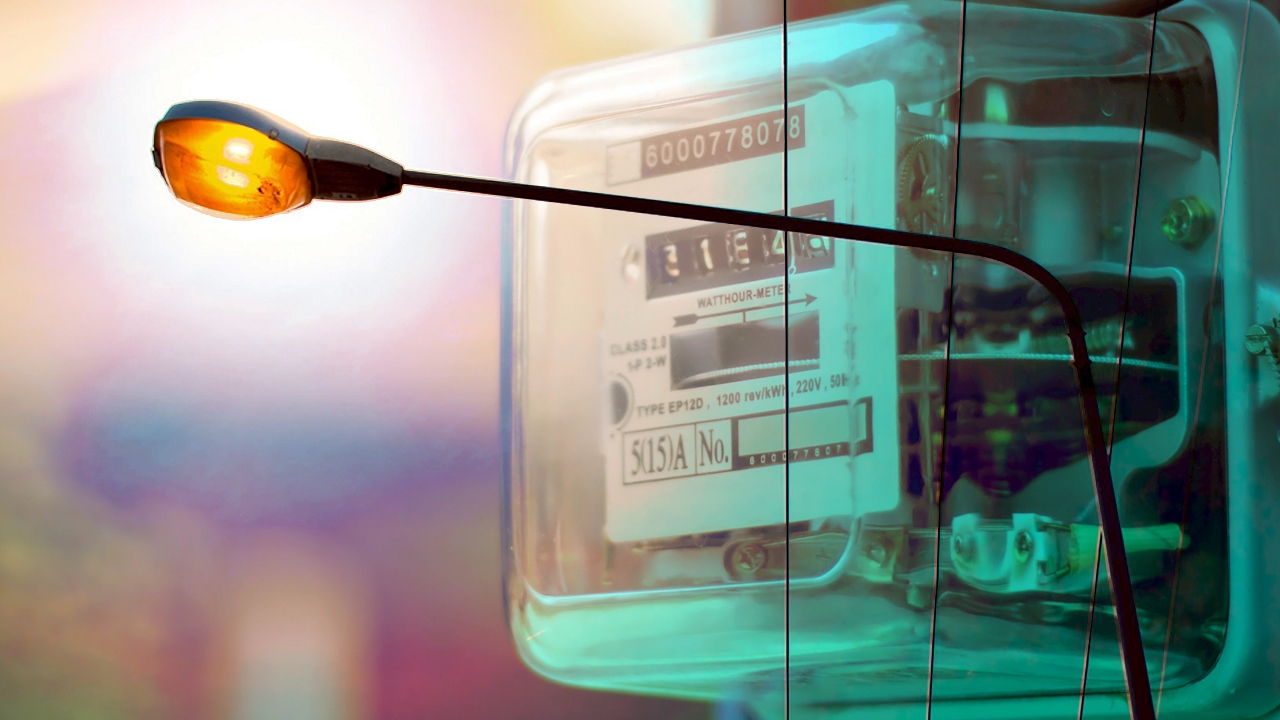
Hidden electricity charges impose overlapping burdens on citizens. Why must people pay for public electricity despite already paying taxes? Experts point out that electricity bills should clearly itemize charges to prevent hidden costs.
After the publicized remarks of Ekkawin Chokprasopruay, a candidate for the Bangkok Council from the Prachachon Party representing Ratchathewi District, who raised questions about Thailand's electricity system, stating he had just learned that electricity for street and public areas has long been included in the electricity costs that citizens have to bear.
"I just found out that we all pay for electricity used on streets or public areas. The Electricity Authority has long averaged these costs into every household's electricity bill," he said. This statement sparked widespread attention and was widely shared, as citizens had never been aware of this information before.

Most recently, on 22 Jun 2026 GMT+7 at the Government House, Energy Minister Eknat Prompan addressed the issue of combining public street lighting charges with residential electricity bills, stating his policy aims to reduce living costs and electricity bills for citizens. He plans to address three main issues:
1. Reviewing the Adder contracts.
2. Improving the public street lighting charges currently included in the base electricity bills.
3. Revising power purchase rates from power plants and electricity sales to private entities.
These three policies, if implemented, could reduce the electricity burden on citizens.

The Thairath Online special news team interviewed Dr. Areeporn Asawinphongphan, an energy policy expert at the Thailand Development Research Institute (TDRI), regarding the hidden electricity charges included in citizens' electricity bills. She emphasized the need to separate types of street lighting into two categories to reduce confusion:
Main highways, motorways, and inter-provincial roads are managed by central agencies such as the Department of Highways or the Department of Rural Roads. Electricity costs for these are paid through the "national budget" funded by taxes citizens normally pay. Citizens do not pay extra for these in their monthly electricity bills.
However, public lighting in communities, alleys, and village connecting roads is managed by local administrative organizations (LAOs), which have a quota of 10% free electricity usage per month. If usage does not exceed this quota, the LAO does not need to spend its own budget. The cost of this 10% quota is the issue, as it is hidden within citizens’ electricity bills.

According to longstanding regulations, LAOs receive a quota of 10% free electricity usage per month based on the base electricity cost. If community lighting uses less than this quota, LAOs do not have to pay extra. However, the cost within this 10% quota is averaged into the "base electricity cost" charged on citizens' bills, representing an average cost of nearly 10 satang per unit.
"Currently, everyone is sharing the burden of the 10% free electricity, whether they use it or not. We all collectively share this cost," Dr. Areeporn explained.
Therefore, separating these charges on the bill is necessary for transparency and clarity. Citizens have been paying this 10% all along, but it has never been clearly itemized on their bills.
Dr. Areeporn concluded that Thailand's electricity cost calculations are complex and include many unknown elements such as readiness fees and the Adder charge, which can exceed ten satang. We currently pay overlapping costs through both taxes and electricity bills, despite electricity being a public utility. These charges should be clearly disclosed to citizens.
It is time for the government to reform the electricity bill structure to ensure transparency by clearly itemizing all cost components. This will provide citizens with accurate information and assurance that they are not bearing unnecessary duplicated charges.