

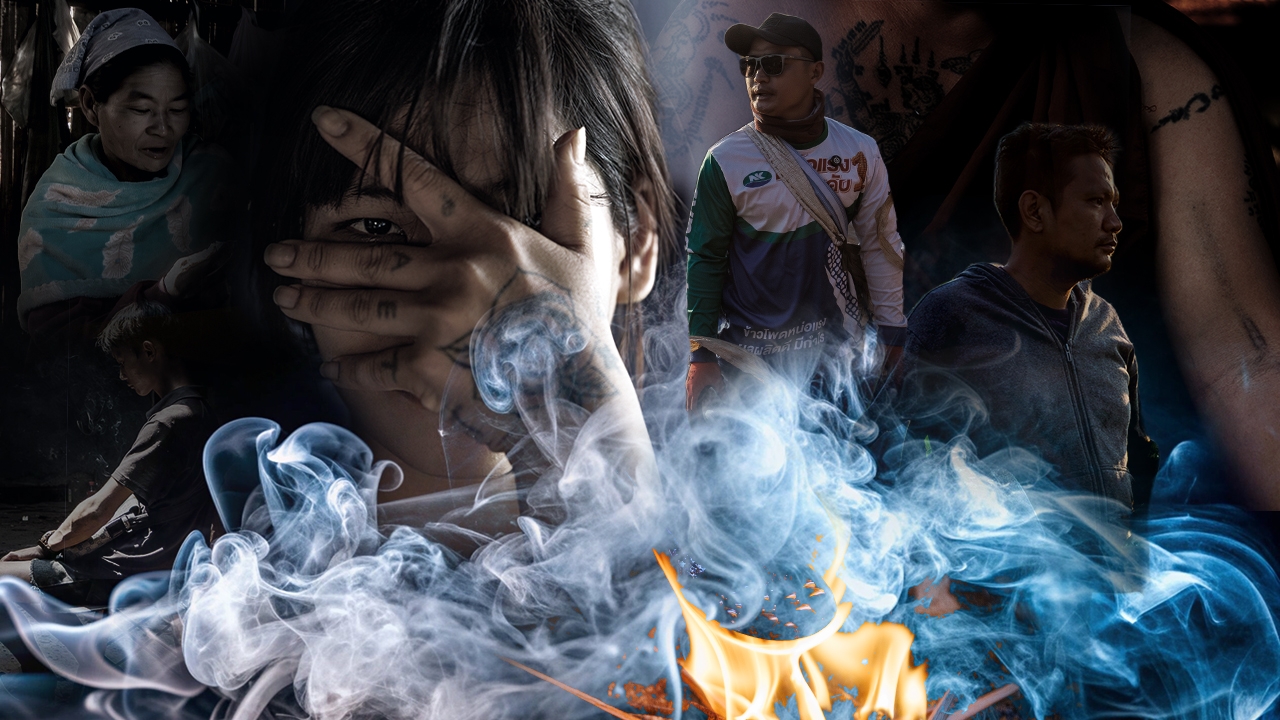
Exploring the concept of Harm Reduction through the lives of diverse substance users, expanding hope and encouragement on days they have not yet quit, focusing on how to keep life safe and provide a path forward.
“Drugs” have long been a social problem in Thailand, often sparking various crimes and hindering national development. Causes of drug use are varied, and harsh crackdowns or arrests only address symptoms, not root causes. The perspective has shifted from viewing users as social criminals to recognizing them as “patients.” They should receive voluntary treatment to reduce harm or negative impacts from drug use on themselves, those around them, and society. This led to the Harm Reduction process—reducing dangers associated with substance use.
“Accessibility, Understanding, No Stigma, Equality, Opportunity” These five words represent the core principles of the Harm Reduction
Accessibility means not waiting for users to come forward, but having the healthcare system and community reach out to them in safe spaces, such as distributing clean syringes to prevent HIV or hepatitis, and establishing friendly service centers. /
Understanding that quitting drugs abruptly (cold turkey) is not easy for everyone,
and sometimes emotional wounds, poverty, or mental health conditions are the root causes of the problem. Harm Reduction
recognizes human limitations; if they cannot quit today, how can their use be made as safe as possible, reduced in quantity,
or switched to substitutes (like methadone) so they can continue living.
No Stigma (Stigma Reduction) means stopping labeling and using language that diminishes human dignity, shifting the view from a “criminal issue” to a “health issue.” When society reduces disdain, users feel safe to open up and voluntarily enter treatment.
Equality means that no matter a person’s past mistakes, they retain their humanity and deserve equal access to basic medical rights. Drug users have the right to standard medical care, antiviral medication, and psychological support without discrimination due to their drug use history.
Opportunity means that even if users cannot quit overnight, supporting their lives so they feel safe, valued, and accepted allows them to restart life, access education, vocational training, and community acceptance, becoming sustainable pillars for their families and society.
When we provide accessibility, understanding, no stigma, equality, and opportunity, we not only reduce drug-related harm but restore humanity to those society once turned away from.
Harm Reduction is not endorsing drug use nor denying its dangers; rather, it minimizes real risks like infection, overdose, loss of healthcare access, and being forced to live at risk without support.

After being expelled from school, Fern (a pseudonym) entered the cycle of substance use through peer influence before gradually reclaiming her life. She has reduced her use, returned to non-formal education, and volunteers with the ACT Team Foundation in Khon Kaen, distributing clean equipment to fellow users to reduce health risks and increase outreach.

Fern’s bedroom walls are covered with messages she has written over years. When alone, listening to music and with no one to confide in, wooden panels became her outlet for frustration, loneliness, and unspoken words.

Chok (a pseudonym), 17, was raised by his grandmother, who was both his home and sole support. After her sudden passing, he lost his emotional anchor and began using substances to cope with grief, guilt, and loneliness that no one listened to.
Chok openly admits he is not ready to quit immediately but intends to reduce and quit by age 20 to prepare for the next chapter in life.

Harm Reduction focuses on actively reaching out to substance users to listen empathetically and, for those not ready to quit immediately, guiding them to public health services—especially by providing clean and safe equipment, which is key to reducing harm and protecting users’ lives.

This image shows substance users preparing “raw opium” to smoke. Opium still impacts the traditional lifestyles of ethnic groups, who have limited access to Harm Reduction processes due to unstable housing and lack of official identification.

Many substance users receive clean needles and syringes as part of Harm Reduction measures aimed primarily at preventing HIV and hepatitis transmission through shared needles.

Mae Pae Mu Kongsrikiri, 52, a resident of Mae Tun subdistrict, Mae Ramat district, Tak province, used opium continuously for over two decades before entering methadone treatment supported by her family. She has been off opium and in treatment for over 12 years.

Fern (a pseudonym), 22, says she disliked herself during substance use; from a calm person, she became irritable and spoke harshly to close ones. Many feelings were hidden behind a quiet demeanor and evasive gaze. She’s not ready to quit immediately but has begun reducing use, switching to clean equipment, and returning to non-formal education to open new life options.

The marks on Phra Dhammatesho record a period of life entangled with substance use and resulting family discord. After treatment, he chose to ordain as a monk to start anew, using Dhamma as his life’s foundation.
Photo and story: Thanat Chayapatruthee
(This photo is used to accompany the documentary and is authorized for publication)