

Thai flight attendant arrested for smuggling drugs into Australia: inside the courier network seeking extra income, and how security loopholes allowed passage through Thai inspections.
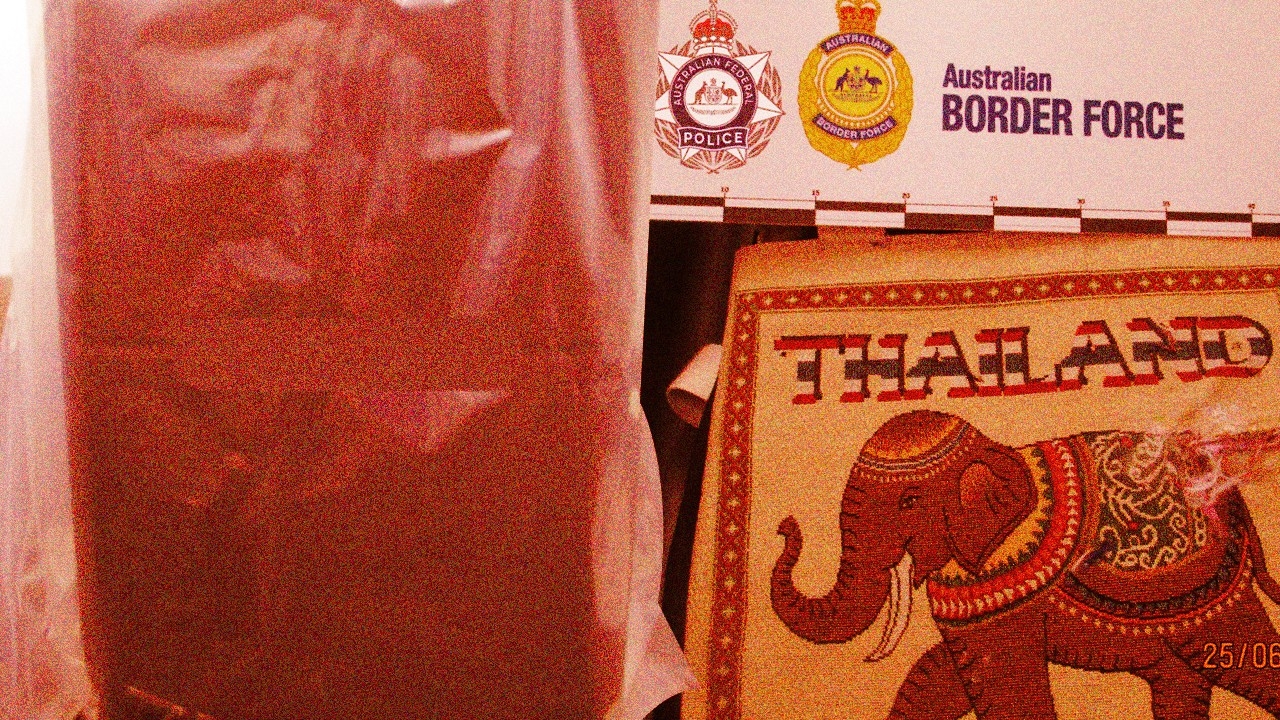
The Australian Federal Police (AFP) reported that a 26-year-old Thai airline employee was arrested upon arrival at Melbourne Airport on 25 June 2026. Australian Border Force (ABF) officials detected irregularities during X-ray screening of 12 cloth bags, uncovering heroin concealed within the bag linings, totaling over 1 kilogram, valued at approximately 500,000 Australian dollars or around 11 million baht.
The suspect faces two charges: importing and possessing controlled drugs across the border in quantities for commercial purposes, each carrying a maximum sentence of 25 years imprisonment. She has been detained since 26 June and is scheduled to appear again at Melbourne Magistrates' Court on 14 September 2026.
Initially, Thai officials searched the flight attendant’s hotel room and found CCTV footage showing a man delivering a parcel concealing the drugs. The flight attendant’s boyfriend stated he was unaware of the drugs and only knew she was carrying items for others. Police plan to interview her mother in Phayao Province next.
The arrest of a flight attendant from a major airline in Australia has sparked public concern in Thailand about airport security and inspection procedures, as well as the practice of couriers carrying items for others. A source familiar with the airline industry revealed that the cloth bags, bearing Thai elephant patterns, had drugs coated onto the fabric to transform powdered heroin into a form that adheres inside the material, concealing it from detection. Similar smuggling methods have occurred in several countries. It is suspected the courier may have been unaware the substance was drugs but had done this multiple times, supplementing income through carrying items for others.

Regarding the drug transformation process, these groups often coat the drugs onto fabric, which requires close observation to detect—such as the treated fabric feeling stiffer than usual. The coated fabric also weighs more than untreated drugs or other deceptive materials used to fool authorities.
Among airline crew who carry items for others, some staff supplement their income this way. The responsibility for carrying items is rotated among them. Newer flight attendants may be unaware of these practices, unlike senior crew who generally avoid carrying items due to fear of potential consequences.
Items carried by crew members are typically small, valuable, and within the normal carry-on baggage limits, such as precious gems or gold weighing 5 to 10 baht per trip.

After the incident, Thai airport authorities stated that the flight attendant was screened and no explosives were found. Our team inquired whether drug detection is standard in crew inspections. The same source confirmed that screenings usually focus on explosive materials. For drugs, inspections check for hidden compartments in bags or luggage; if found, further investigation occurs.
This case illustrates a common tactic by drug traffickers to coat drugs onto fabric to conceal them from detection and avoid suspicious compartments within bags. The bags, shaped like elephants and resembling souvenirs, were deliberately designed to mislead authorities. Ultimately, the suspect was caught after airport sniffer dogs alerted officials to abnormalities.
To close this security gap, airlines should enforce stricter vetting and monitor crew members’ backgrounds and courier activities more thoroughly. Flight routes should also be scrutinized to prevent frequent travel on suspicious paths. Companies need to rotate flight assignments to avoid patterns that could raise suspicion.
