

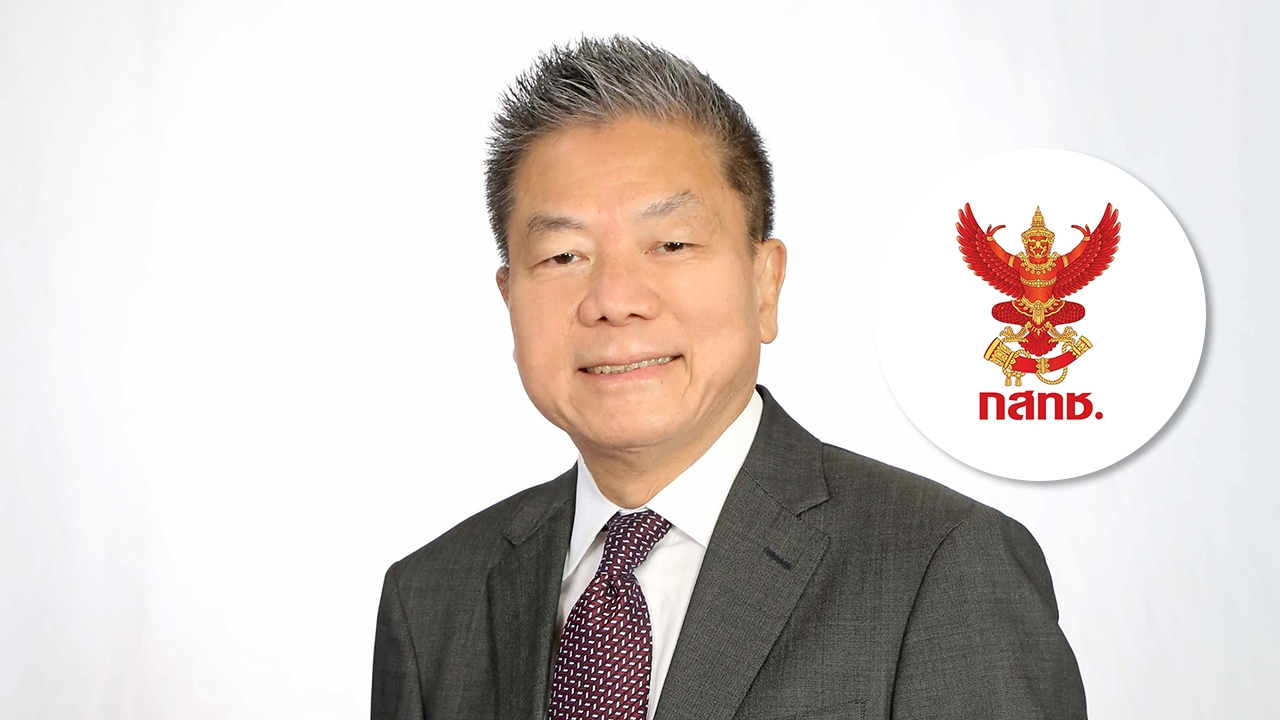
The selection committee resolved that Dr. Sorn is disqualified, shaking the NBTC. Attention focuses on two possible legal paths: retroactive effects or further review. The conditions for contesting the decision remain unresolved.
Today (17 Jul 2026), the Selection Committee for the National Broadcasting and Telecommunications Commission (NBTC) unanimously resolved that Professor Clinician Dr. Sorn Boonbaichaiyapruck, NBTC Chairman, has a disqualifying characteristic under Section 8(2) of the Frequency Allocation Organization Act and the related amendments of 2010. Therefore, he is deemed to have forfeited his right to serve as an NBTC commissioner according to Section 18 of the amended Frequency Allocation Organization Act (4th Edition) of 2022. This announcement is hereby made public.
Previously, the interpretation of NBTC qualifications took considerable time. Thairath Online's special report interviewed former NBTC commissioner Dr. Prawit Leesathapornwong, who explained that under the Frequency Allocation Act, the selection committee has the final authority to determine qualifications. However, if challenged, the matter can be submitted to the Administrative Court, which may accept or reject the case at its discretion.

From a legal perspective, for example, NBTC Act Section 20 states that leaving office occurs upon death, resignation, or reaching age 70. This case may be considered forfeiture of rights. The Council of State will review whether the Prime Minister should submit the matter for royal command. If the ruling resembles resignation, only notification of forfeiture is sent without an official order. But if deemed a removal, a royal command is required to formalize the termination. Thus, it remains unclear how the Prime Minister's Office and Council of State will decide.

When asked if disqualification would have retroactive effects on document approvals and salary payments, Dr. Prawit analyzed that if legally considered forfeiture, the official cannot work from the next day onward. The law treats this as giving up the right, so there is no duty to return. Continuing work could raise issues, such as whether orders signed afterward are valid or considered forged, given the person no longer holds authority.
Previously, the qualification of the NBTC chairman has been a prolonged issue. The law states that once forfeiture occurs, the selection committee must immediately select a replacement. This process does not require waiting for the Prime Minister's review and can begin right away. Therefore, if the next meeting results in a decision to appoint a new chairman, it can proceed. However, if disputes arise and the committee decides to wait, another committee resolution will be needed.
The news team continues to follow this matter to ensure fairness for all parties involved, awaiting further clarification from Professor Clinician Dr. Sorn Boonbaichaiyapruck.
