

The National Park Division issues a statement clarifying the facts regarding tourist accommodation services and the designation of camping zones within Similan Islands National Park.
Several media outlets have reported on a discussion by Mr. Weera Theeraphatranon, a special committee member reviewing the draft budget bill for fiscal year 2027, on 5 August 2026. He reflected on the quality of accommodation services and facilities in national parks from his past experience, stating, “...The service quality of accommodations in the parks, including the Similan Islands, I must be honest, when I visited four years ago, it was very poor. The electricity was cut off at 8:00 p.m. The bed I slept on had metal spikes; I had to put my blanket over it...” He also suggested opening opportunities for private sector investment management (PPP).
The National Park Division would like to clarify the facts as follows.

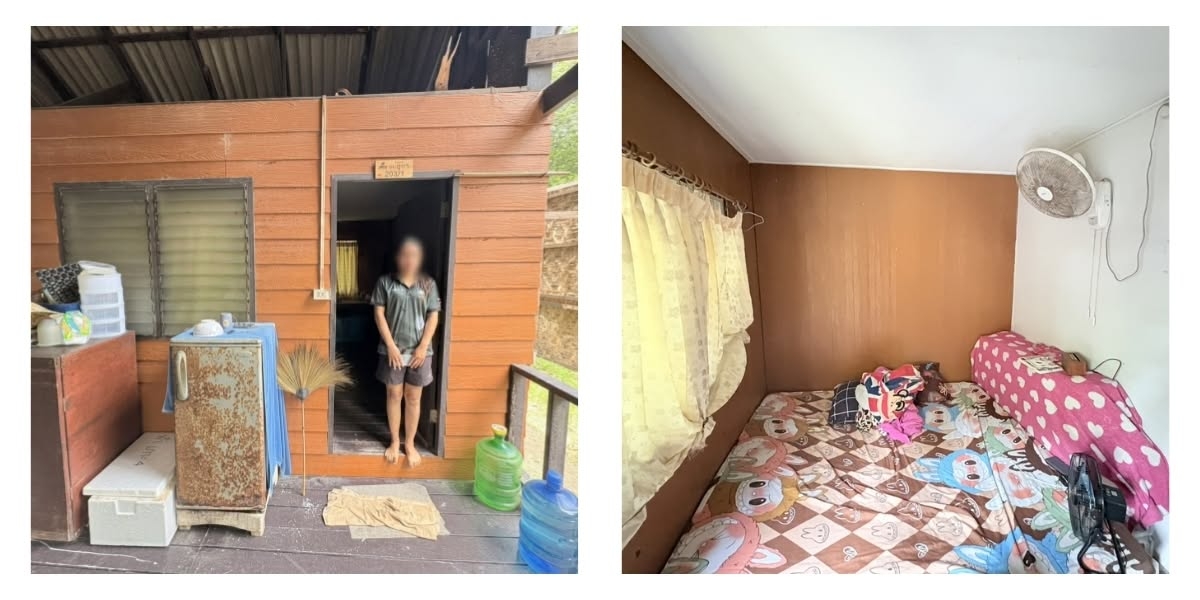
1. Similan Islands National Park permanently ceased overnight camping since 2018, in accordance with the Department of National Parks, Wildlife and Plant Conservation announcement dated 4 October 2018. The park now operates only day-trip tourism (One-day trip) to sustainably restore the marine ecosystem. The “Huyong accommodation building” on Miang Island is staff housing, not tourist lodging available to the public.
2. Regarding the electricity cutoff at 8:00 p.m., the Similan Islands are remote islands using power generated by generators (diesel-powered). Transportation limitations and environmental preservation require energy use to be efficient within the allocated budget. Since 2018, the tourism model shifted to day trips, with electricity during daytime for visitor convenience and safety, and night electricity only for staff personal tasks. Therefore, cutting power at 8:00 p.m. is appropriate.

3. Regarding the legal framework for private sector partnerships (PPP) in accommodation development, only existing tourism raft businesses authorized under legal conditions continue to operate. The National Park Act focuses on conserving ecosystems and biodiversity to ensure balanced and sustainable use. Accommodations aim to offer tourists simple, nature-integrated experiences with minimal necessary facilities. Private sector management objectives differ from those of the national park. Hence, opening PPP opportunities requires careful study to avoid favoritism toward any private party, overseen by a feasibility study committee on tourism development in the national park service zone.

The National Park Division affirms that it manages the area to the best of its ability. All staff are committed to providing full service. Surveys on visitor satisfaction regarding services and accommodations show very good results, with many tourists continuing to visit and camp. Moreover, many national parks have received international certifications and awards for area management, such as the Green Destination Awards and ISO 13009:2015 for beach area management and private operators adjacent to public beaches. The Department of National Parks, Wildlife and Plant Conservation remains dedicated to improving service quality for public benefit and sustainable natural resource management.
