

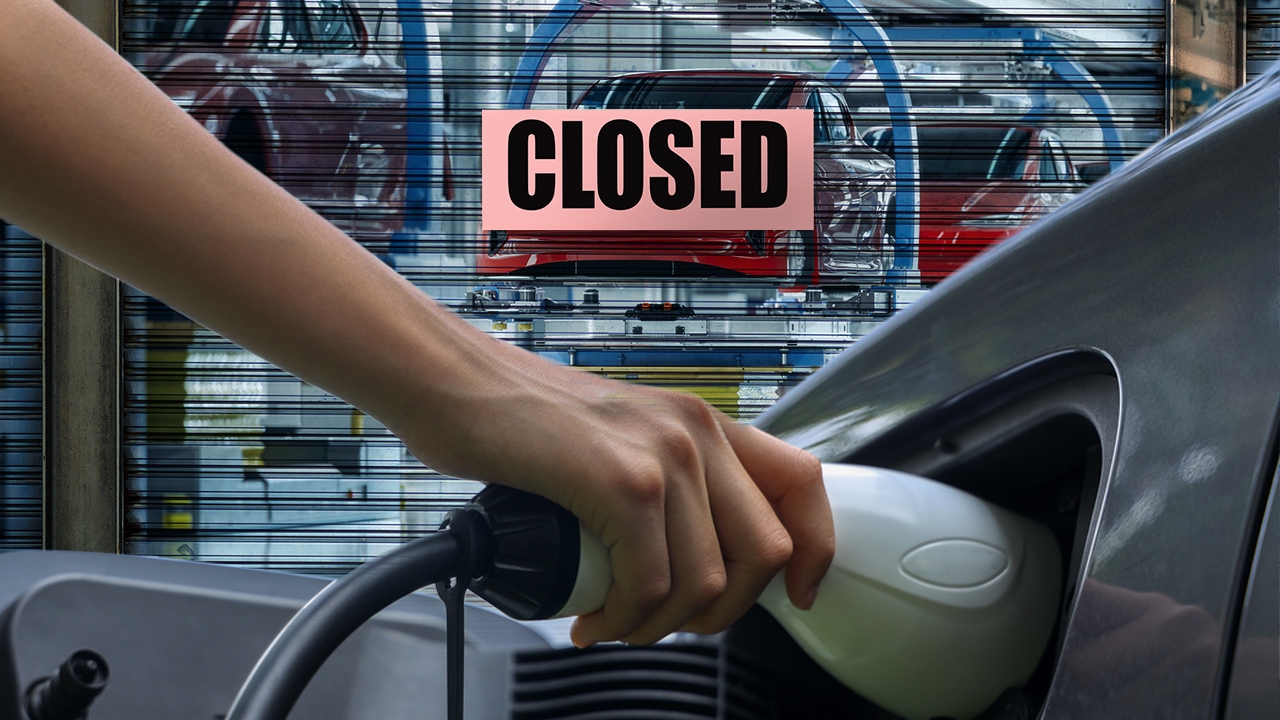
The electric vehicle market is expanding, but consumer rights are not keeping pace! TDRI points out protection gaps for EV owners if car brands shut down, risking abandonment and inability to repair, urging the government to mandate manufacturers to submit backup parts plans and increase independent repair rights.
The Thailand Development Research Institute (TDRI), through Dr. Salilathorn Thongmeensuk and Naphat Patrapisan, TDRI researchers, raised the issue of consumer protection for electric vehicles (EVs). With the rapid growth of the EV market in Thailand, consumers now have more choices and lower prices. However, amid fierce competition, an important overlooked question remains: if one day a manufacturer withdraws, closes service centers, or ceases operations while vehicles still have many years of use left, how should owners be protected?
Previously, the case of NETA revealed this problem. The parent company Zhejiang Hozon New Energy Automobile filed for bankruptcy in China in June 2025, causing Thai users to face spare parts shortages, long repair waits, some service centers closing, and unclear warranties. Over 220 affected users have filed complaints through the Consumer Protection Council (data as of 26 June 2025). Approximately 25,000 vehicles of this brand are in use in Thailand, and NETA's 18 local dealers are seeking over 200 million baht in unpaid debts, including showroom and after-sales support funds.
Meanwhile, new NETA vehicle registrations in the first five months of the year declined by 48.5% from the previous year. Beyond this brand, users of other EV brands also report experiencing months-long delays waiting for spare parts repairs. These cases highlight the risk that vehicles remain operable but become difficult to repair or resell because after-sales support systems vanish.
Furthermore, before purchasing, consumers may want to compare prices, driving ranges, or battery warranty terms, but they often lack information to assess whether manufacturers maintain spare parts inventories in Thailand, how many years spare parts are stocked, whether software updates continue if the parent company faces problems, and how dependent dealers are on the parent company. These risks usually surface when a vehicle breaks down, service centers close, or resale values drop.

Although Thai law already holds sellers responsible for defects, in practice buyers face a significant hurdle: they must prove the defect existed at delivery, which is nearly impossible for vehicles and tech products where issues may be hidden in software, electronics, or parts consumers cannot inspect themselves.
This gap has driven the push for the draft Consumer Product Defect Liability Act B.E. .... or Lemon Law. The Cabinet approved it on 16 June 2026, and the House of Representatives passed the first reading on 24 June 2026. It is currently under detailed committee review.
The law's core is that if a vehicle is defective within one year, it is presumed the defect existed from delivery, so buyers need not start by proving technical issues that are inaccessible. They may demand repair, replacement, price reduction, or contract termination under specified conditions. For vehicles, the draft law sets a maximum 90-day repair timeframe and extends some rights to hire-purchase customers, important in Thailand's market.
However, the Lemon Law primarily addresses defective products but does not guarantee that spare parts, software, or service centers will remain available throughout the vehicle's life if the seller goes bankrupt or lacks sufficient assets.
Legal rights may be hard to enforce, and vehicles without spare parts may not have been defective at purchase but could fail later from accidents or normal use. The problem lies not in initial quality but in the disappearance of after-sales support. Moreover, there is no requirement for manufacturers to provide spare parts, manuals, schematics, or diagnostic tools to consumers and independent repairers, nor regulation of software use that prevents compatible replacement parts without valid reasons.

The concept of Right to Repair fills this gap. It does not mean forcing manufacturers to disclose all trade secrets or allowing any repair shop to bypass safety standards. Rather, it ensures that vehicle owners and independent repairers can access necessary parts, manuals, diagnostics, tools, and software services under fair, reasonable, and non-discriminatory conditions.
This is especially crucial for electric vehicles, where physical parts alone are insufficient; some components require software pairing, specialized diagnostics, or manufacturer codes. Thus, even if a workshop has parts, without software access, repairs cannot be completed. Regulation must cover parts, technical information, and digital infrastructure.
However, Right to Repair alone is inadequate if a manufacturer goes bankrupt since the obligation to supply parts may not be enforceable. Thailand should mandate safeguards before approving vehicle sales, not only fixing problems after they occur. Possible regulatory measures include:
1) Requiring manufacturers or importers to submit after-sales service continuity plans before sales begin, specifying the number and locations of service centers, spare parts inventory levels, duration of spare parts availability guarantees, technical data transfer channels, and responsible parties if the parent company withdraws. These plans should be updated periodically, not just submitted once for approval.
2) Setting minimum spare parts supply durations aligned with the vehicle's actual lifespan, especially for safety components, drive systems, batteries, and control systems, potentially exceeding warranty periods.
3) Data and Software Escrow systems, where manufacturers deposit technical manuals, diagnostic software, essential codes, and baseline data with a central authority. These remain confidential during normal business but are released to alternative providers if the company ceases operations, withdraws from Thailand, or stops supporting vehicles.
4) Advertising and vehicle labeling should clearly disclose after-sales service information, such as spare parts warranty periods, number of service centers, whether parts are stocked locally or imported, and plans if the manufacturer withdraws, reflecting the vehicle's true lifecycle value.
5) Thailand should elevate policies from merely promoting EV production (localization of production) to building domestic maintenance capabilities (localization of repair capability). Incentives for manufacturers should consider not only the proportion of locally made parts but also spare parts supply, knowledge transfer for repairs, and development of Thai parts suppliers to continuously produce replacement parts throughout the vehicle's life, especially if manufacturers withdraw or cease operations.
These approaches reduce supply chain risks, enhance after-sales service system stability, and ensure Thailand's EV investments benefit both industry and consumers long-term, rather than focusing solely on domestic production or assembly numbers.

The transition to electric vehicles cannot be deemed successful if what increases is only "sales volume." But what disappears is "owners' rights," which must be preserved throughout the vehicle's lifecycle, including maintenance, repair, and continued use. A vehicle inexpensive at purchase but lacking spare parts by year three may cost consumers and the environment more than a pricier car usable for ten or fifteen years.
Ultimately, ownership rights should not expire with the manufacturer; otherwise, electric vehicles, heralded as future technology, risk becoming short-lived products as owners' rights end with the selling company.