

A Cambodian beauty queen claimed an ancient Thai costume. An independent scholar sees the draped shawl and wrapped pants as shared cultural heritage. Rather than guarding it jealously, it should be adapted suitably to ensure Thai culture remains widely known and preserved.
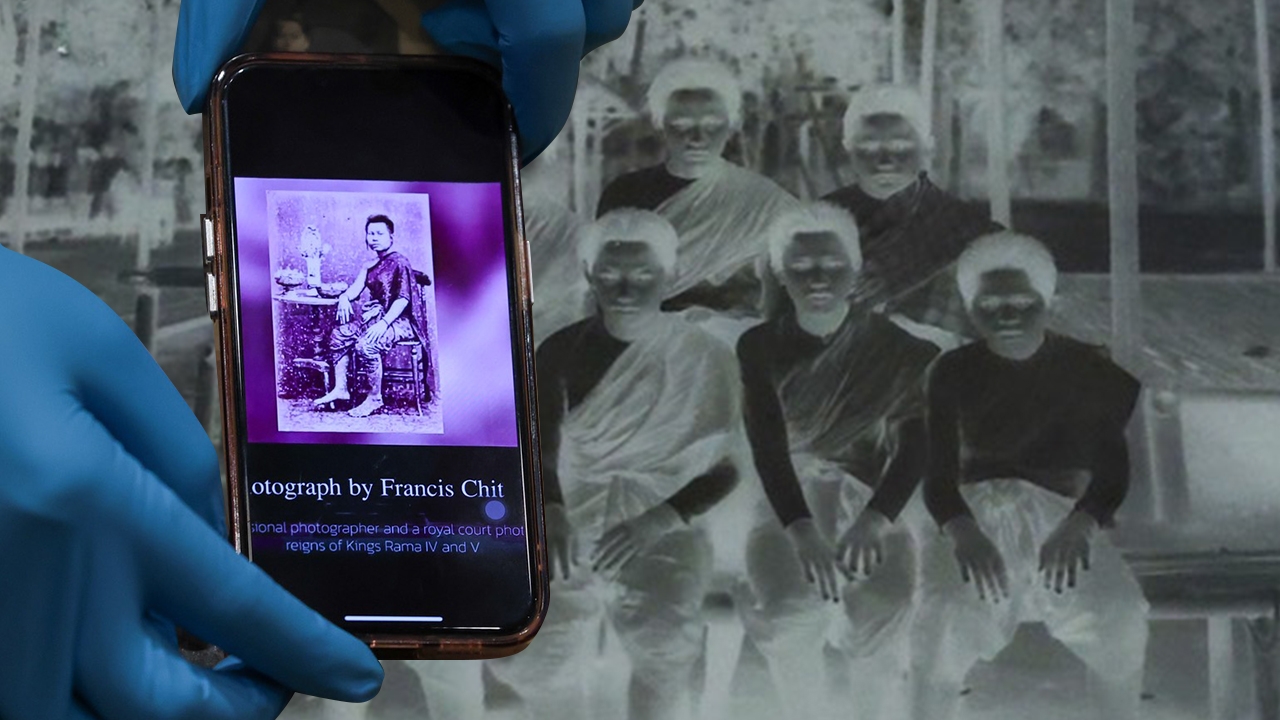
On 18 Sep 2026 GMT+7, the Miss Universe Cambodia 2026 preliminary round featured images of Thai women from King Rama V’s era wearing draped shawls and wrapped pants or pleated skirts projected on stage. Contestants then appeared wearing diagonal shawls, wrapped skirts, and crowns, while the host claimed these as ancient Khmer costumes.

The Ministry of Culture held a press conference regarding the historic photographs and costume presentation at Miss Universe Cambodia 2026, stating it was not a matter of ignorance. They called to stop spreading distorted information, explaining the images show women from Kamphaeng Phet taken in 1906 CE during King Rama V’s reign, with original glass negatives preserved at the National Archives bearing the Fine Arts Department watermark.
Thairath Online’s special team interviewed independent art and culture scholar Mr. Julaphatsorn Promwan Na Ayutthaya. He commented that claiming or disputing costumes on international stages is inappropriate. Instead, contestants should showcase talents or other beneficial skills. Cultures belong to everyone collectively and should not be claimed by any single group. Each nation’s clothing is beautiful and suited to its lifestyle and physique, so wearing them must consider appropriateness, personal characteristics, physique, and the occasion.

Neighboring countries often exchange cultures, differing mainly in local materials adapted appropriately to their environments. This process has occurred worldwide for centuries, not just between Thailand and Cambodia. For example, Western suits, made for cold climates, were modified in Thailand during King Rama V’s reign into the royal Prathet or royal bestowed jacket because the original was too hot.
The Thai Boromphiman or Chakri costume was co-designed and adapted by French designer Pierre Balmain, and Jim Thompson introduced Thai silk globally. Historically, Thais did not dress in this style originally.
If adaptations improve and suit modern needs, one should be proud and appreciate that others recognize the concept’s value and build upon it. Creative works combine past and new experiences to form unique styles, so exact copying is impossible.

All parties should appreciate the value of their ancestors’ creations and adapt them to their times to pass on to future generations without faultfinding or blaming others. This approach sustains culture through continuous use over time, ensuring it does not disappear with the era. Resources should be used efficiently and beneficially, preserving or replenishing them for future generations.
Influence from celebrities or temporary social trends can prompt widespread adoption. Thought leaders, like actors or influencers, start trends that many follow, but such fads often fade quickly. For instance, the craze of taking photos with lotus flowers became viral, but afterward, many lotus flowers turned into waste used as fertilizer. This reflects that cultural adoption sometimes lacks understanding of true value and beneficial use.
Overly strict copyright restrictions prevent works from being further used and eventually cause them to vanish. Encouraging open reuse while respecting originals—by clearly naming the creator or source—helps works be developed and used sustainably.

Today, Thais rarely wear traditional Thai costumes daily except at events, as wearing them publicly might draw unwanted attention or assumptions of attending a special occasion. Neighboring Laos proudly wear their native dress daily, while Thais wait for festivals or events, such as the King Narai Festival in Lopburi province, to wear traditional attire.
Claims that certain things belong exclusively to oneself or a group may stem from feelings of inferiority when one perceives their own culture as less than others’. Such claims or disputes produce no benefit.
