

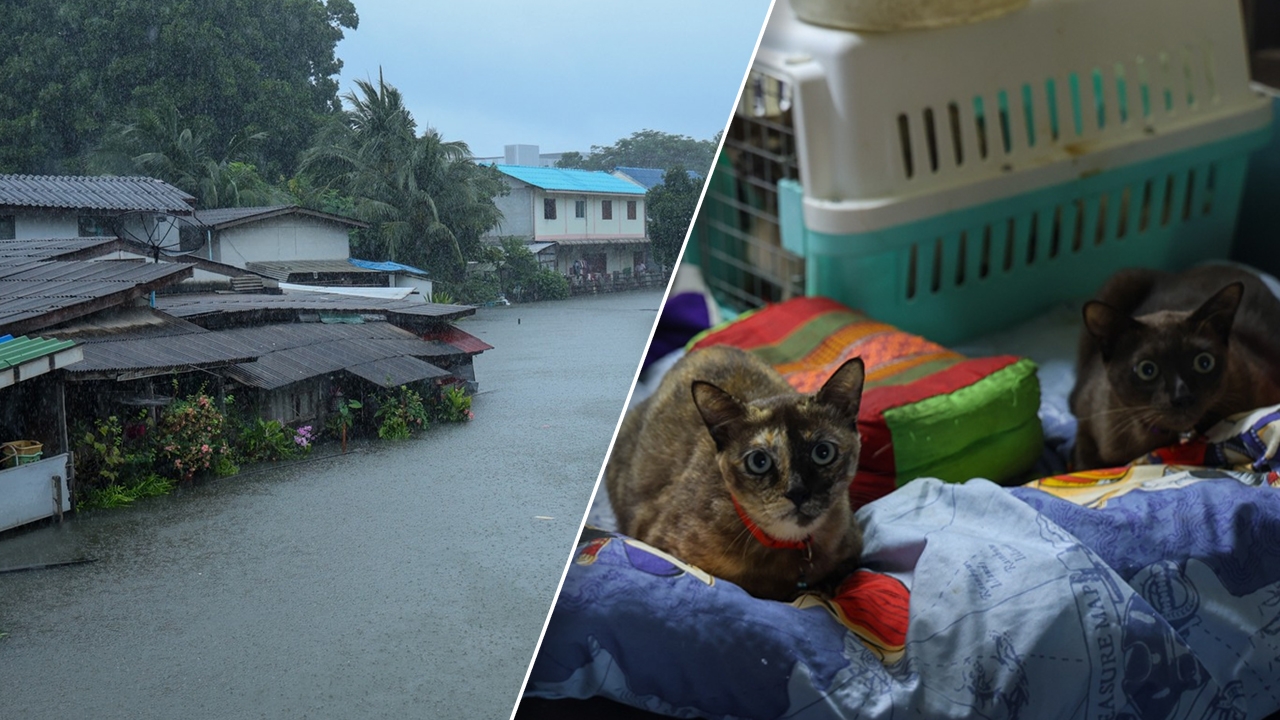
When monsoon warning signals begin to approach your home, adopting a "wait until it hits before acting" mindset can result in unexpected losses—including millions in property damage, the lives of family members, and beloved pets.

The house's structure and electrical system are the first priorities to address for safety and to reduce repair costs after flooding recedes.
Switch off the circuit breakers to isolate power and immediately cut electricity on the ground floor. If the house lacks separate phase systems, unplug all electrical devices and move them to higher ground to prevent electrical leakage.
Elevate belongings above flood levels by moving electrical appliances, valuables, and "important documents in waterproof bags" (land deeds, house registration, ID cards, military service documents, insurance papers) to upper floors.
Seal gaps to slow water intrusion; arrange sandbags in a broad base shape in front of the house and remember to "seal drainage and wastewater pipes" to prevent contaminated water from backing up into the home.
Evacuate vehicles by relocating cars and motorcycles to high areas such as parking garages or vehicle evacuation points provided by government agencies.

When power and water are cut off and you are isolated from the outside world, a "Grab Bag" is essential for survival.
Each person needs one waterproof backpack ready for immediate evacuation, containing:
Clean drinking water, at least 2-3 liters per person per day (most important).
Ready-to-eat food such as canned goods with pull tabs, bread, biscuits, and dry food.
Common and personal medications including fever reducers, anti-diarrhea medicine, first aid kits, and treatment for athlete's foot.
Communication and lighting devices: flashlight (with spare batteries), fully charged power bank, and a whistle for signaling for help.
Hygiene supplies: wet wipes, black garbage bags, and zip-lock bags for emergency waste disposal.

Pets cannot fend for themselves during crises; advance preparation reduces risks of separation and injury.
Pet food (dry and wet) and clean water sufficient for at least 7 days.
Regular medications, pee pads, portable cat litter, and waste bags.
Vaccination records sealed in waterproof bags (essential if pets must be taken to shelters).

Attach collars with name tags and the owner's real contact number to pets at all times.
Portable cages or carriers: prepare secure cages or travel bags for cats or small dogs to prevent panic and escape due to flood noises.
Pet life jackets: if wading through water during evacuation is necessary, dogs should wear life jackets.
Critical rule: "Never leash or confine pets in ground-floor cages." If pets must be left at home, keep them on the second floor with sufficient food and water, and mark the house clearly to inform rescue teams that pets are inside.