

Government and private sectors unite to support a 450-baht fee on international tourists, proposing the Cabinet approve the creation of a fund exceeding 8 billion baht to back tourist insurance and sustainable tourism recovery in Thailand without relying on taxes from Thai citizens.

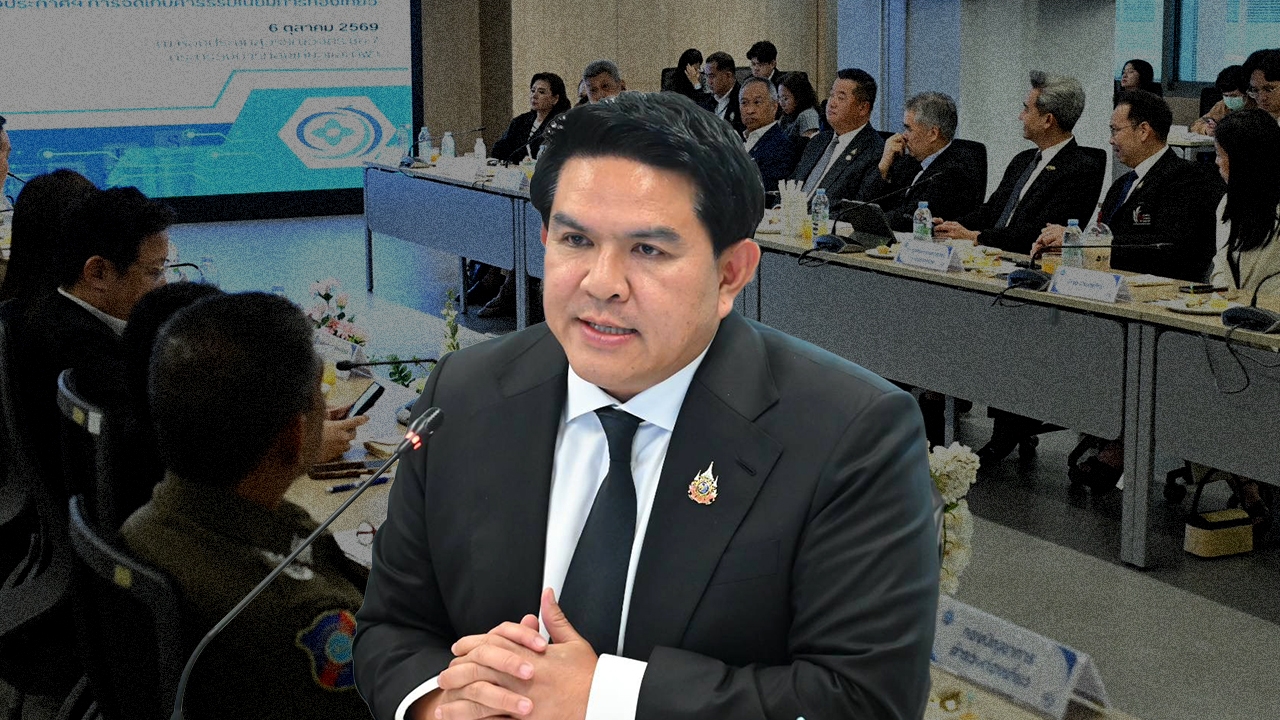
On 6 October 2026, Mr. Surasak Pancharoenworakul, Minister of Tourism and Sports, chaired a meeting to discuss and exchange views on collecting the “foreign tourist fee” at the Ministry of Tourism and Sports, Government Complex Building C. The meeting gathered opinions from government, private sector, and civil society following an online feedback period that ended on 28 September 2026. The online survey showed 80.50% supported the draft announcement on collecting fees from foreign tourists. The ministry will use both sets of data to determine the collection method, develop insurance to reduce state healthcare costs, and allocate income transparently to develop tourist sites.

The meeting was honored by the presence of Mr. Patthana Prompatan, Minister of Public Health, along with representatives from private and public sectors such as the Tourism Industry Council of Thailand, Chinese Chamber of Commerce Association, Central Group, The Mall Group, Siam Piwat, King Power, Platinum Group, Thai Hotels Association, international airlines, and Grab Taxi (Thailand) Company Limited, among others.
Mr. Surasak Pancharoenworakul, Minister of Tourism and Sports, revealed that from the beginning of the year through September 2026, over 22 million foreign tourists have visited Thailand, generating more than one trillion baht in revenue. Maintaining confidence requires ensuring both safety and quality of tourist destinations. The feedback will help design policies to generate revenue, procure tourist insurance, ease hospital burdens, reduce taxpayer strain, and comprehensively care for tourist sites.
The draft announcement proposes a 450-baht fee per person, applying initially only to foreign tourists arriving in Thailand via air once the announcement takes effect, with land and sea routes postponed for one year. The revenue will enter a fund to promote Thai tourism. Part of it will be used to purchase insurance covering tourists who pay the fee, including death and medical treatment under the policy conditions, which are under review for expanded coverage. Another portion will support sustainable restoration and development of tourist sites, reducing sole reliance on annual budget allocations.

After deducting collection and insurance costs, the fund is expected to have at least 8 billion baht to develop tourist sites, conserve and restore natural resources, and promote Thai tourism. The discussion yielded valuable suggestions on how to allocate the fund to support communities, areas, and related agencies inclusively, along with proposals for criteria to disclose fund usage transparently and allow audits.
Online feedback collected between 24 August and 28 September 2026 involved 5,954 participants, revealing that 80.50% agreed with the draft announcement and 78.30% supported the 450-baht per person rate. Remaining disagreements concerned applying the same rate across air, land, and sea entries. Regarding collection methods, 36.26% favored collecting fees via ticketing to reduce steps and delays at immigration checkpoints.

Compared internationally, over 80 countries including those in Europe, Japan, Australia, New Zealand, and Bali impose tourism-related fees in various ways. Thailand aims for visitors to contribute to safety costs to reduce dependence on Thai taxpayers. The meeting also discussed unpaid healthcare costs for foreigners at border public hospitals. The ministry focuses on designing insurance that hospitals can verify and reimburse directly to address this issue effectively, while coordinating baseline data and scope with the Ministry of Public Health.
The private sector suggested key points including setting rates that do not affect travel decisions, collecting fees without causing delays at immigration, considering exemptions for border traders and frequent cross-border travelers, clearly communicating insurance rights and policy conditions—although over 80% of tourists, especially from Europe and America, are believed to have travel insurance—and calling for transparency in revenue, disbursements, insurance costs, and tourism development outcomes. The fund will consider oversight mechanisms to ensure transparency and accountability.

Finally, the Ministry of Tourism and Sports will incorporate feedback from the discussion and online input to refine the draft announcement before submitting it to the National Tourism Policy Committee and the Cabinet. The ministry will also consult with airlines, immigration authorities, and relevant parties on collection methods, exemption criteria, insurance procurement, and fund expenditures.
The ministry expressed gratitude to all sectors for their input, aiming for measures that reduce state burdens, reinvest revenue into maintaining tourist sites, and manage funds transparently, always prioritizing the interests of the public and the nation.