

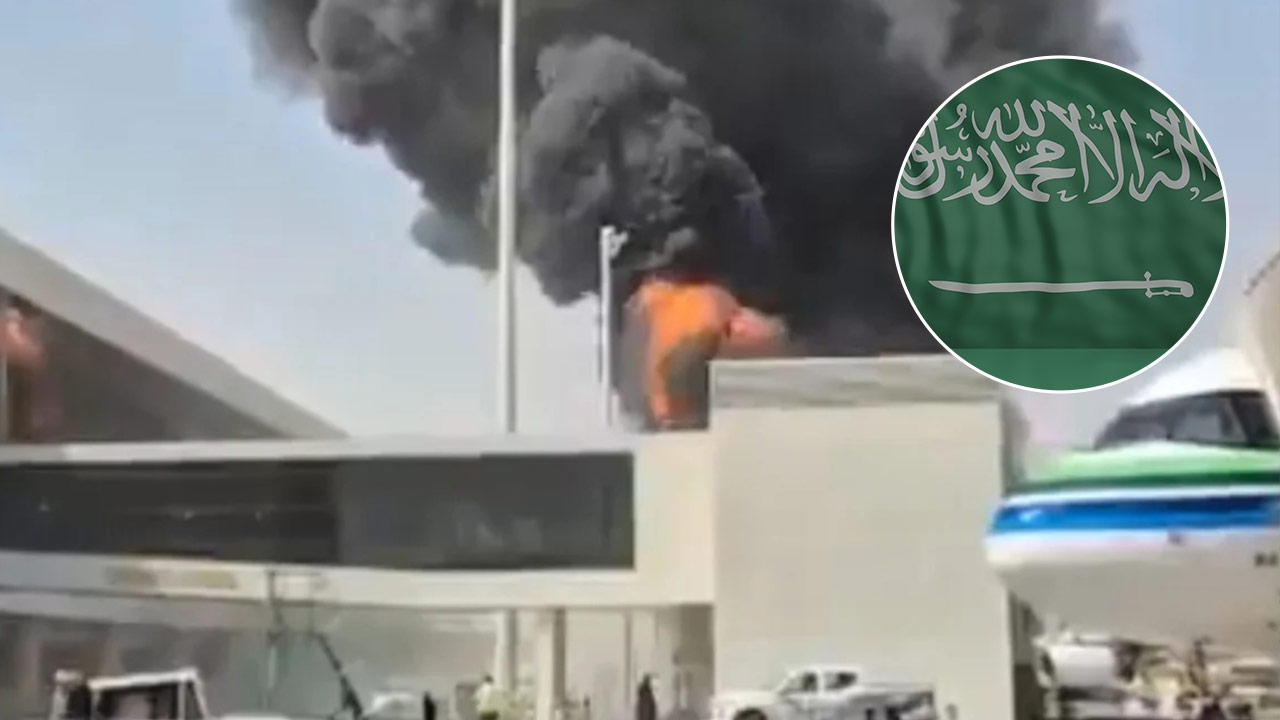
The Houthi group attacked an airport in Saudi Arabia. Experts view this as a test of how far the U.S. will intervene to support Saudi Arabia amid multiple conflicts. Strategic islands in the Red Sea are crucial, increasing the risk of a prolonged war, with expectations that Thailand will face soaring oil prices and disrupted exports to Europe.
An attack on the passenger terminal of King Khalid International Airport in Riyadh, the capital of Saudi Arabia, caused at least 12 deaths and 309 injuries, including one American. Saudi-led military allies blamed the Houthi group from Yemen and vowed retaliation, while several countries warned citizens to avoid airports amid escalating regional conflicts.
This has become a hot topic shaking global security and economy as Middle East tensions flare again with the Houthi group in Yemen launching severe attacks on key targets in Saudi Arabia. This article decodes the causes, reviews the history of the conflict, examines U.S. positions, and analyzes the direct impact on Thai finances.
The Thairath Online special news team spoke with Associate Professor Dr. Sarawut Aree, Director of the Muslim Studies Center at the Institute of Asian Studies, Chulalongkorn University. He explained that the recent attack was a military response by the Houthis to Saudi air operations in Yemen. Saudi Arabia supports the Yemeni government forces to retake strategic areas and push Houthis back to their strongholds, prompting the Houthis to retaliate with drones and missiles targeting critical infrastructure such as airports and energy facilities in Saudi Arabia.
This conflict is not new. Saudi Arabia has been attacking the Houthis in Yemen since 2015. Between 2019 and 2020, the Houthis enhanced their combat capabilities and retaliated by targeting airports and energy infrastructure inside Saudi Arabia. Although Saudi Arabia sought ceasefire talks between 2020 and 2022, resulting in a 2022 truce that allowed the Houthis to hold Sana'a and the port city of Hodeidah, the current situation repeats past patterns but appears more severe.

The critical difference this time that Saudi Arabia cannot accept, and which suggests a prolonged battle, stems from maritime strategic factors. The Houthis have advanced beyond the capital to seize ports and islands in the Red Sea, such as the city of Mocha, Tuban, and central Red Sea islands.
The Bab el-Mandeb Strait battlefield includes these central Red Sea islands, which are strategic points overseeing the strait. If the Houthis control this area, they would influence the main shipping lanes in the Red Sea.
With risks around the Strait of Hormuz, Saudi Arabia relies heavily on Red Sea maritime routes to export oil. The Houthis’ capture of islands and coastal areas poses a serious threat. Saudi Arabia is thus partnering with allies like Turkey and Pakistan under the Mecca Agreement to support Yemeni forces in pushing the Houthis back, making a swift peace unlikely.
Although the U.S. shows readiness to support Saudi Arabia as the Middle East’s dominant power, experts believe it will not send troops directly into the conflict for these reasons.
1. U.S. internal politics: Donald Trump faces midterm elections, and most Americans oppose Middle East wars, which previously hurt Trump's approval ratings significantly.
2. Humanitarian crisis: The United Nations has labeled the Yemen war as the worst humanitarian crisis, so the U.S. must consider its image as a global power.
3. Scope of assistance: The U.S. will likely offer intelligence support, advisory teams, and weapons sales rather than direct military engagement.
4. Strategic risks: If the U.S. ignores the conflict, Saudi Arabia might lose trust and turn to other powers. The U.S. faces a difficult decision but is expected to avoid direct combat involvement.

If this crisis prolongs, Thailand will face broad effects in two main areas.
1. Energy and oil price impact.
Supply crises and price spikes: Unrest in two critical straits—Hormuz and Bab el-Mandeb—will inevitably affect global energy prices. Although Thailand mainly imports oil from the United Arab Emirates (UAE), which exports without passing directly through Hormuz, Thailand may not face immediate crude shortages.
However, increased global prices will push up retail oil prices in Thailand, affecting living costs and industrial production expenses.
2. Impact on goods transportation and foreign trade.
Vital Europe-Asia shipping routes are cut off: The Red Sea and Bab el-Mandeb Strait are primary sea routes for Thai and Asian exports to Europe. The conflict risks force cargo ships to detour around South Africa’s Cape of Good Hope, lengthening transit times, increasing freight rates, and raising shipping insurance costs sharply.
Trade and tourism relations with Saudi Arabia: After Thailand restored trade ties with Saudi Arabia, many Thai businesses have invested and traded there, and Saudi tourists are expected to visit Thailand. If the conflict affects Saudi Arabia's Vision 2030 development plan, it could adversely affect Thailand's tourism and export sectors.
This latest Saudi attack is more than a local Yemeni conflict; it is a battle over strategic islands in the Red Sea, a critical oil and goods shipping route. If Saudi Arabia cannot quickly negotiate peace, soaring oil prices and shipping costs will create an economic 'heatwave' Thailand must closely prepare for.