

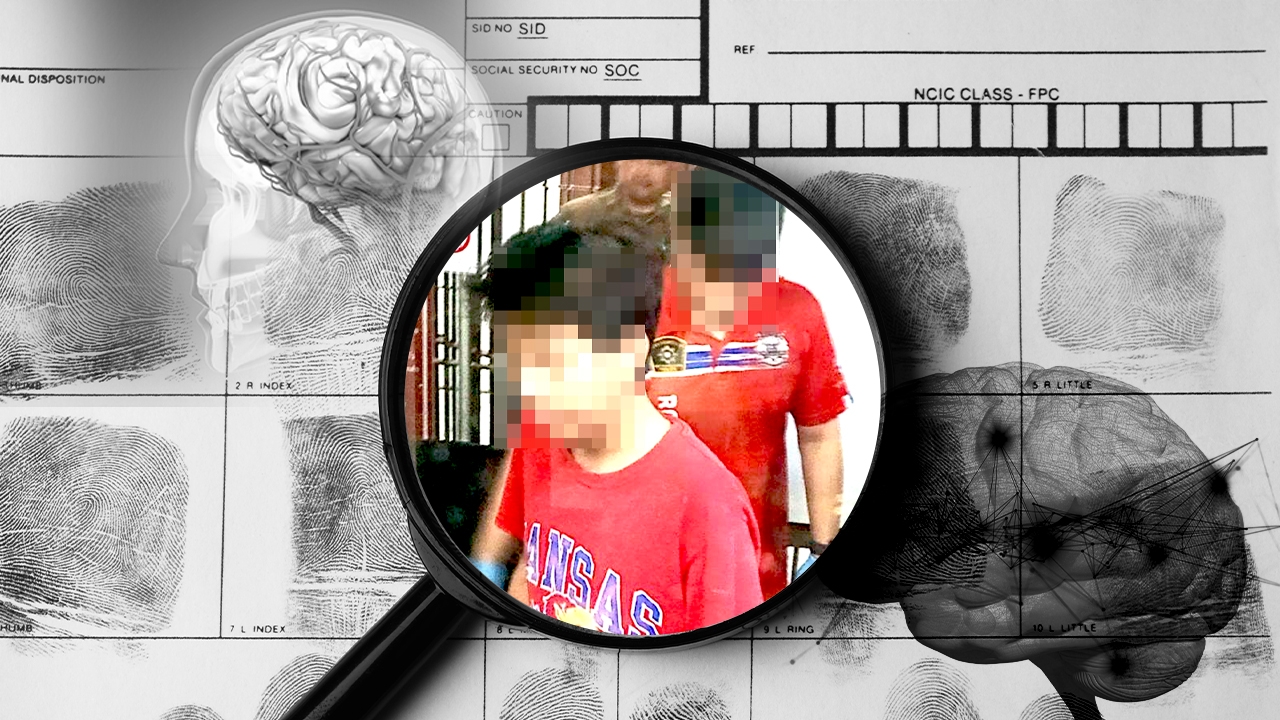
Analyzing the "sling break" behavior in the case of "Leng Saem Laem," who smashed a car and punched a woman, a criminologist explains it through brain mechanisms prioritizing emotion over reason. If left chronic, this behavior risks developing into criminality.
Regarding the case of Mr. Natthanon, also known as "Leng" aged 19, who lost his temper while riding a motorcycle, chasing and assaulting a 27-year-old woman driving a sedan near Lat Phrao Intersection, earning the nickname "Leng Saem Laem" or the viral phrase "Leng Sling Break" which he said was triggered by losing to a horn sound.
Later, the investigative police from Phahonyothin Police Station and Division 2 of Metropolitan Police arrested 19-year-old Leng. He claimed he did not know the victim was a woman and was angry because he had been hit by a car first. This sparked heavy social media criticism of his behavior, described as a modern man's act of violence against a woman despite no longstanding grudge. He showed no remorse and appeared irritable and displeased toward the media while being taken to court.
This behavior has raised societal questions about why many people act this way and whether they might become proponents of violence in the future.
Assistant Professor Dr. Thanandsak Bowornnantakul, a criminologist, explained that the behavior of "losing one's temper"or what youth call"sling break" is emotion overriding reason. It is often explained through psychological mechanisms and brain function. The main mechanism involves peopledistortingreality, which occurs when intense emotions interfere with the normal analytical thinking process.
The use of emotion over reason is typically explained in criminological psychology as arising from the neural system. When humans face emotional stimuli, the brain works through two main parts: the part called "Amygdala" or the emotional brain, which responds rapidly to threats, fear, and emotions (Fight or Flight).
If this brain part overworks, a condition called Amygdala Hijack occurs, where the amygdala, responsible for emotion and survival instincts, takes control and "cuts off" the function of the frontal brain, which handles reasoning, self-control, and analysis. This is sometimes referred to as "Emotional Hijacking."
The other part is the frontal brain called "Prefrontal Cortex." This part is responsible for analysis, planning, and reasoning. When a person becomes angry or emotionally agitated, the amygdala acts first and suppresses the prefrontal cortex, causing decisions or behaviors without thoughtful reasoning. This is what causes the "losing temper" or "sling break" phenomenon in youth.
If a person regularly exhibits this trait, their personality may develop into an angry, easily irritated type. Without managing anger properly, they are at higher risk of committing offenses due to lack of self-control and inability to stay calm.
Those who let emotion override reason often base their thoughts on "Emotional Reasoning," believing feelings such as unease or fear mean a place is dangerous despite no concrete evidence. They may also engage in "egg-shell thinking," thinking the worst and exaggerating problems based on anxiety. This is called All-or-Nothing Thinking, viewing the world in extremes with no middle ground, ignoring that human behavior is a mix of right and wrong, and fluctuations are normal.
If a person habitually lets emotion dominate reason, it can lead to emotional and feeling-driven communication, severe conflicts, andan inability to seerational solutions to problems.

Regarding the perpetrator's continued anger towards reporters and lack of remorse, Assistant Professor Dr. Thanandsak explained that guilt is a complex social and moral emotion, explained in criminology and neuroscience. Blaming others in criminology and criminal psychology relates directly to the Techniques of Neutralization theory by Gresham Sykes and David Matza, which explains that offenders use psychological mechanisms to neutralize their sense of right and wrong before or after offenses, often blaming others instead. One technique is Denial of Responsibility, where offenders see themselves not as the cause but as victims of circumstances, blaming poverty or environmental pressures.
Alongside Denial of Injury, believing their actions did not truly harm anyone or were not severe, and Denial of the Victim, believing victims deserved the outcome or that their actions were justified revenge, a "just" retaliation. This connects with victim blaming and condemning those who condemn them, shifting blame to authorities, police, or society for unjustly criticizing them because the victim allegedly provoked them first.
Two criminologists, Gottfredson and Hirschi, also noted in the Low Self-Control Theory that some people have low self-control, tend to lack patience, disregard long-term consequences, and seek immediate gratification, which excites them. This leads to a high likelihood of what common people call "losing temper" or in youth terms, "sling break," resulting in physical fights, violence, or criminal acts.
The neurological explanation is more complex because brain function is not controlled by one part alone but by multiple neural systems working together. The frontal brain area called the Ventromedial Prefrontal Cortex (vmPFC) is the main center processing guilt along with other emotion regulation systems.
Neuroscience studies using brain scans (fMRI) show coordination among four main brain areas activated when we feel guilt: