

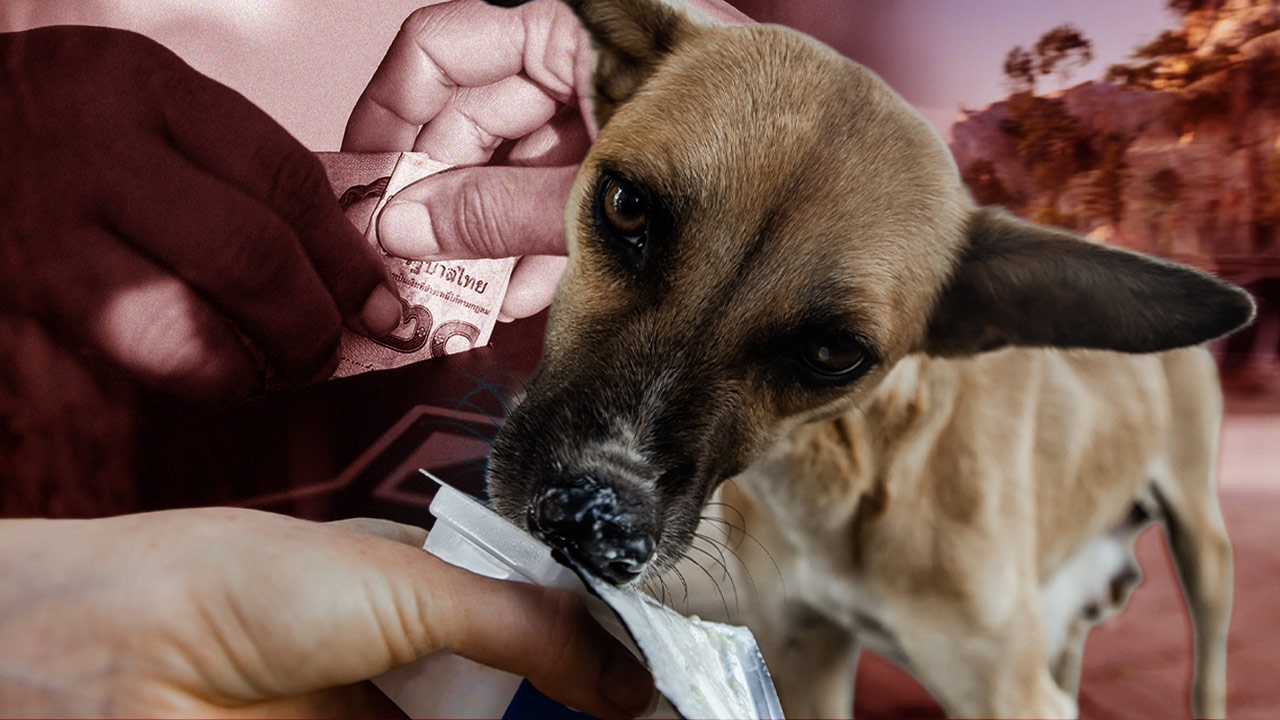
Revealing the backstage of the "Watchdog" drama and numerous cases of hidden animal donation funds, exposing tactics from charitable organizations to fraudulent 'saintly' scammers. Addressing structural problems before "compassion" turns into a tool for profiteering.
It has become a heated and heartbreaking issue for "dog and cat lovers" and donors nationwide when the facade of helping needy animals is questioned for transparency over millions in donations. The drama involving a famous animal aid organization unveils the charity business sector that has grown alongside social media trends.

Thairath Online’s special news team interviewed Dr. Satit Prachya-ariyakul, Secretary-General and Director of the Thai Society for the Prevention of Cruelty to Animals (TSPCA), and an expert committee member on animal cruelty prevention and welfare. He observed that while animal aid foundations were once driven by genuine faith, many have now become full-fledged "charity businesses" employing the following schemes for money diversion.
Hiring organizers to skim profits: Some large organizations hire marketing firms to study donor behavior and use sympathy in campaigns, agreeing to give up to 30% of donations to these organizer companies, with the remainder going to the organization.
The 70/30 formula citing administrative fees: For every 100 baht donated, up to 70 baht is spent on "administrative costs" such as salaries, positions, housing, and travel, leaving only 30 baht for actual animal care or assistance.
Claiming legal case expenses and laundering money via legal processes: Fundraising claims are made that donations cover animal cruelty lawsuits, although these cases are criminal offenses handled by investigators and prosecutors free of charge, with no legal fees involved.
Purchasing overpriced supplies: They claim to buy animal food, medicines, or care equipment at prices higher than market rates, sourcing from companies linked to themselves to pocket the difference.
Creating drama by using images of deceased animals to solicit money: Taking advantage of crises like floods, fires, or animal abuse cases, they stir up drama by posting donation accounts. Some cases involve dogs or cats that died years ago but their images are repeatedly used to seek donations.
"Some donated funds are severely misused, including for plastic surgery, buying luxury brands, cars, houses, personal debt repayment, and falsely claiming credit for pushing the Animal Cruelty Prevention Act despite no involvement, all to build credibility for fundraising."

Dr. Satit sees critical factors enabling animal exploitation gangs to grow as legal loopholes and inadequate oversight.
Ghost foundations and fake boards: Many foundations or animal aid pages have only 1–3 board members, never hold annual general meetings, and fail to submit financial reports to the Department of Provincial Administration for review, yet continue collecting donations for years.
Using influence to intimidate officials: Fraudsters build fan bases online and when government officials, like from the Department of Livestock Development, investigate, they use social media power to threaten, harass, or incite attacks, causing officials to back down to avoid trouble.
Addressing this issue requires joint efforts from both donors and government agencies as follows.
Check background before transferring money: Verify if the organization is legally registered as a foundation or association, know who the board members are, and review their work history.
Assess the reasonableness of financial reports: A reputable organization should publish annual financial reports showing transparency on what percentage of funds actually reach animals.
Donate goods instead of cash: In crises like floods, shift from cash transfers to donating animal food, medicines, or necessary items directly to prevent fund diversion.

Strictly audit financial flows: The Ministry of Interior, Revenue Department, and Anti-Money Laundering Office must thoroughly examine the finances of foundations, associations, and animal aid pages.
Enforce laws impartially: Officials must adhere strictly to the law without fear of social media pressure or claims of powerful connections.
Compassion for animals is noble, but "unmonitored and reckless charity" is becoming a feast for scammers disguised as saints, draining public funds. It is time for all parties to jointly establish new standards to ensure every baht truly reaches animals in genuine need.