

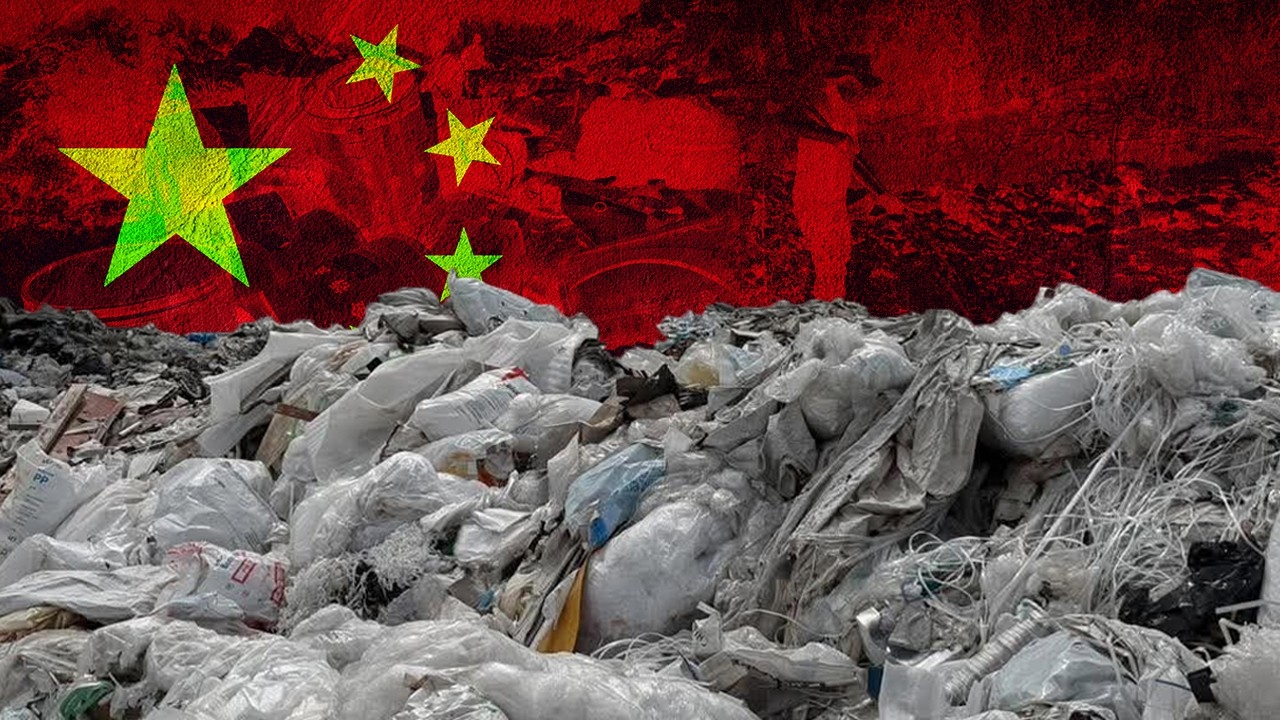
Investigation into the illegal landfill in Bang Lamung reveals abundant industrial waste and detection of heavy metals. A Chonburi MP highlights suspicious activities by Chinese nominee capital accepting waste from Chinese factories for dumping. It is estimated that at least five more such sites exist locally, raising concerns about toxic substances contaminating water sources in the area.
There have been complaints about the illegal dumping of large amounts of municipal and industrial waste on a private site of over 18 rai in Khao Mai Kaew Subdistrict, Bang Lamung District, Chonburi Province, posing risks to the environment and public health.
On 16 Nov 2026, Mr. Suchat Chomklin, Minister of Natural Resources and Environment, ordered a special pollution control task force to inspect the landfill. The team was led by Police Lieutenant General Itthiporn Phothong, advisor to the minister and head of the task force, along with Dr. Jamlong Chuayrod, deputy head and spokesperson. Officials from the Pollution Control Department collaborated with the Chonburi Provincial Industry Office, Bang Lamung District Office, Bang Lamung Public Health Office, and Khao Mai Kaew Municipality.

The inspection found large accumulations of discarded materials and industrial waste, including: plastic scraps, wood fragments, metal pieces, paper scraps, oil-mixed soil, shredded wire insulation, used chemical drums, filter bags from bag filter systems, and smelting furnace slag. This area is near pineapple plantations and residential homes. Additionally, wastewater was observed flowing from the landfill to the surrounding area, potentially impacting environmental quality and the health of nearby residents.
The Pollution Control Department collected five samples of waste materials and analyzed their composition using X-ray Fluorescence (XRF) equipment. They detected the presence of certain heavy metals, including mercury, selenium, and lead. This preliminary data will support considerations under hazardous substance category 3 regulations, with further verification and legal status assessments to follow according to relevant criteria.

Initially, Khao Mai Kaew Municipality issued an order to suspend and halt illegal dumping. The landowner or possessor was instructed to remove waste and discarded materials from the site for proper scientific disposal within 30 days.
Moreover, the Pollution Control Department filed charges with Huai Yai Police Station for unauthorized possession of hazardous substances to pursue legal action.
Minister Suchat emphasized that the Pollution Task Force and related agencies must closely monitor compliance with orders, particularly proper transport and disposal of industrial waste according to scientific and legal standards. Measures must prevent repeated illegal dumping or adverse impacts on surrounding communities. The Ministry of Natural Resources and Environment is committed to rigorously and continuously enforcing pollution laws to protect the environment and public health.

Special Task Force, Thairath Online Further discussion on this issue with Ms. Manaswin Jancharoen, former Chonburi MP candidate for Constituency 8, Bang Lamung District, and Mr. Thanathorn Pramulpong, Chonburi MP for Constituency 10, Sattahip, People's Party, who visited the site to follow up on the case.
Ms. Manaswin disclosed that the issue began when a civil society Facebook page exposed massive illegal waste dumping in Village 2, Khao Mai Kaew Subdistrict. Subsequently, the Khao Mai Kaew Municipality entered the site and ordered the landfill’s closure. Upon recent site inspections, despite the closure order, large amounts of waste remained from various sources, mainly industrial waste, construction debris, and medical materials. Some were contained in bags bearing Chinese logos. The waste condition suggests it had been dumped for a long period.
Mr. Thanathorn revealed from discussions with the municipal mayor that the landfill had been illegally operating for about three years and had been ordered closed before, but it remains unclear why dumping continues. The waste includes general refuse and industrial waste, such as construction debris, industrial residue, and smelting slag stored in big bags labeled with a company name. Data indicates the waste originated from a Chinese-owned zinc factory located 16 km away in the Rayong Industrial Estate.
"We question whether the company's waste bags found at the illegal landfill indeed belong to them. If so, the next issue is identifying who removed this waste from the factory and which company received it next," said Mr. Thanathorn.

He added that numerous leads from civil society have identified the waste disposal company trucks entering and leaving the landfill. This information will be passed to the police and Chonburi Provincial Industry Office to coordinate with Rayong’s provincial office, as the waste transport crosses district boundaries.
Beyond closing the landfill, the objectives include excavating the landfill for inspection, because some chemical waste has been buried in multiple layers underground. Excavation aims to identify the chemicals involved. The landfill’s water pathways connect to public water sources, necessitating pollution control to detect contaminants in these waters and assess risks if used by local residents.
Mr. Thanathorn stated that proper industrial waste disposal costs around 8,000 to 10,000 baht per ton. In contrast, the illegal landfill may charge only about 3,000 baht per ton, appealing to Chinese factories aiming to cut costs. This may involve "nominee waste disposal companies", and "nominee landowners." These groups excavate illegal landfills and accept waste from their own networks. There are not just one but several such landfills nearby—at least five known sites, excluding smaller unlocated ones. Many have operated for decades, earning daily revenues in the hundreds of thousands of baht.

"Information shows Chinese companies setting up nominee firms in Thailand to win bids for waste disposal contracts from Chinese industrial factories, then illegally dumping waste to reduce costs. This network likely operates at least across the Eastern Economic Corridor, possibly broader, as some waste comes from other regions," he said.
Mr. Thanathorn said this issue involves collaboration among multiple agencies. Resolving it requires tracing the waste’s origin to specific factories, identifying who won the waste disposal contracts, and investigating state officials who allowed the illegal landfill to operate for three years. Authorities must determine how many illegal landfills exist under their jurisdiction and whether toxic waste dumping has occurred. Perpetrators must face serious penalties, not just minor fines, especially since proper waste removal and environmental restoration costs run into tens of millions, which should be charged to the offenders.
"We want a thorough resolution, not just removing the waste and ending the matter. Offenders must be held accountable, including state officials who knew or neglected their duties, tracing back to the source factories and nominee intermediaries who transported the waste," he concluded.