

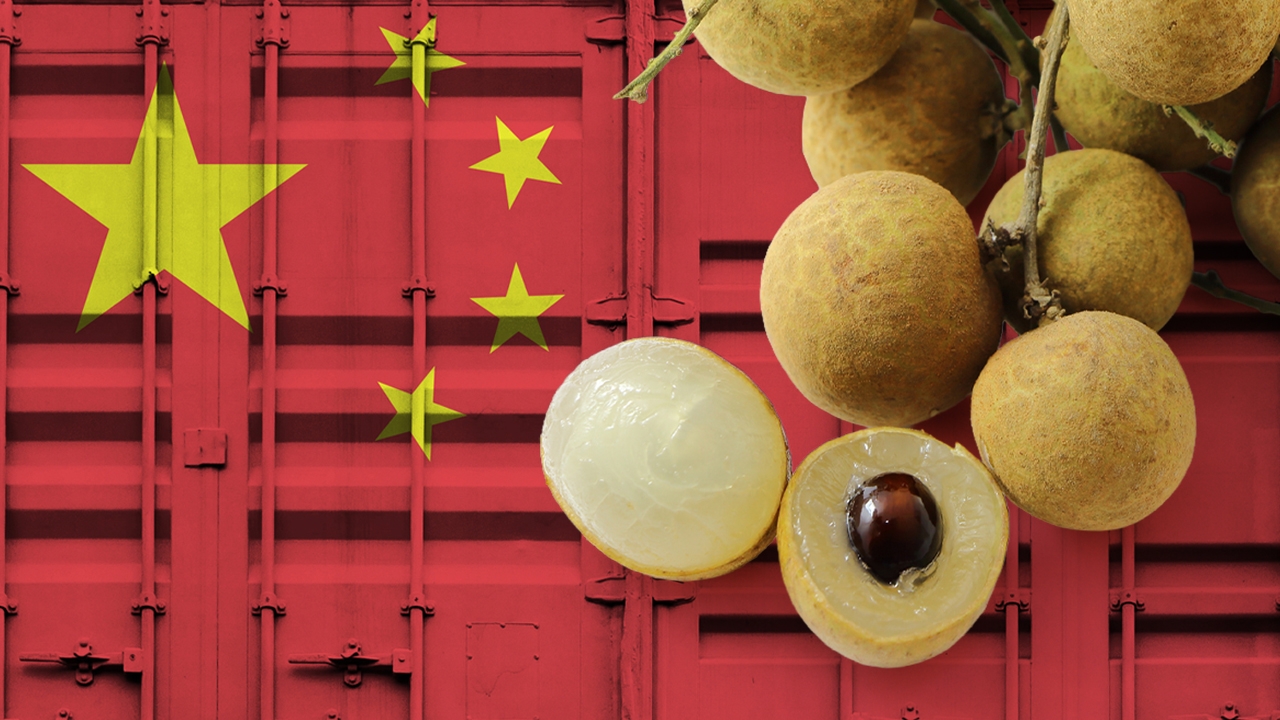
Thai longan shipments to China are being rejected, raising alarms over a fruit export crisis due to failed chemical residue tests. There are fears of price drops as northern harvests later this year are expected to flood the market. Consumers are advised on how to safely eat longan.
Breaking down the impasse: Thai longan shipments rejected by China highlight changes in residue inspection rules now including both peel and flesh. Thailand's fruit export sector faces renewed tension as this key economic crop confronts China's stricter residue inspection standards. Since early this year, many Thai longan containers have been rejected or flagged, causing significant concern among farmers and fruit purchasing operators.
According to the Department of Agriculture, China's revised inspection criteria are the main cause of shipment rejections. Previously, China sampled residue only in the longan flesh, but new regulations require testing the entire fruit—including peel, flesh, and seed. This aligns with China's domestic safety standards for fruits sold locally to protect consumers. The root problem is sulfur dioxide residue, posing risks for longan orchard owners.

Thairath Online's special investigation team consulted a senior source closely involved with longan exports. They reported two main groups of residues exceeding limits: agricultural chemicals used in orchards and sulfur dioxide applied during smoking processes to preserve and extend transport shelf life.
Excess sulfur dioxide detected when testing the whole fruit arises from various factors, such as some packing houses using substandard smoking procedures and aging, deteriorated smoking chambers or containers. This leads to inconsistent gas control. Additionally, the fragility of the production chain contributes to the problem.
This is especially critical during the transition period when production shifts from the eastern region, like Chanthaburi, to the northern region at year-end and early next year. Eastern longan orchards tend to be larger with clearer management and quality control, whereas northern longan is mostly grown by smallholders, making communication and production standard control more difficult and sensitive to residue detection.
As the northern longan harvest season approaches later this year, affected farmers are urgently calling on the government to address two main issues: 1. Managing surplus production to help distribute fruit impacted by export slowdowns, preventing domestic price collapses that farmers cannot endure; 2. Accelerating bilateral negotiations with China to establish a clear, practical standard on sulfur dioxide use.

Regarding short- and long-term solutions, sources said relevant agencies are working on three key fronts: expanding research on sulfur dioxide alternatives, including post-harvest technologies like ozone gas or acid dipping already tested in laboratories and moving toward commercial scale; upgrading packing house standards to supervise and encourage operators to improve smoking structures and processes to reduce on-site errors; and closely monitoring the market while continuing negotiations with China via agricultural attaché offices.
Although these new rules are public health laws China applies globally, Thai consumer advice amid concerns that rejected longan might overflow into the domestic market includes ensuring fruit safety.
Sources assured that domestic markets are continuously monitored by public health and Food and Drug Administration authorities, with random checks ongoing. Meanwhile, prices in the Chinese market have not yet declined.

For maximum safety, consumers should follow general fruit consumption guidelines: thoroughly wash fruit skins before eating and peel using hands rather than biting directly to avoid contact with any residue on the peel. This rejection crisis is a critical test for Thailand’s agricultural sector, which must rapidly adapt throughout the entire supply chain to sustain its leading position in China's fruit export market.