

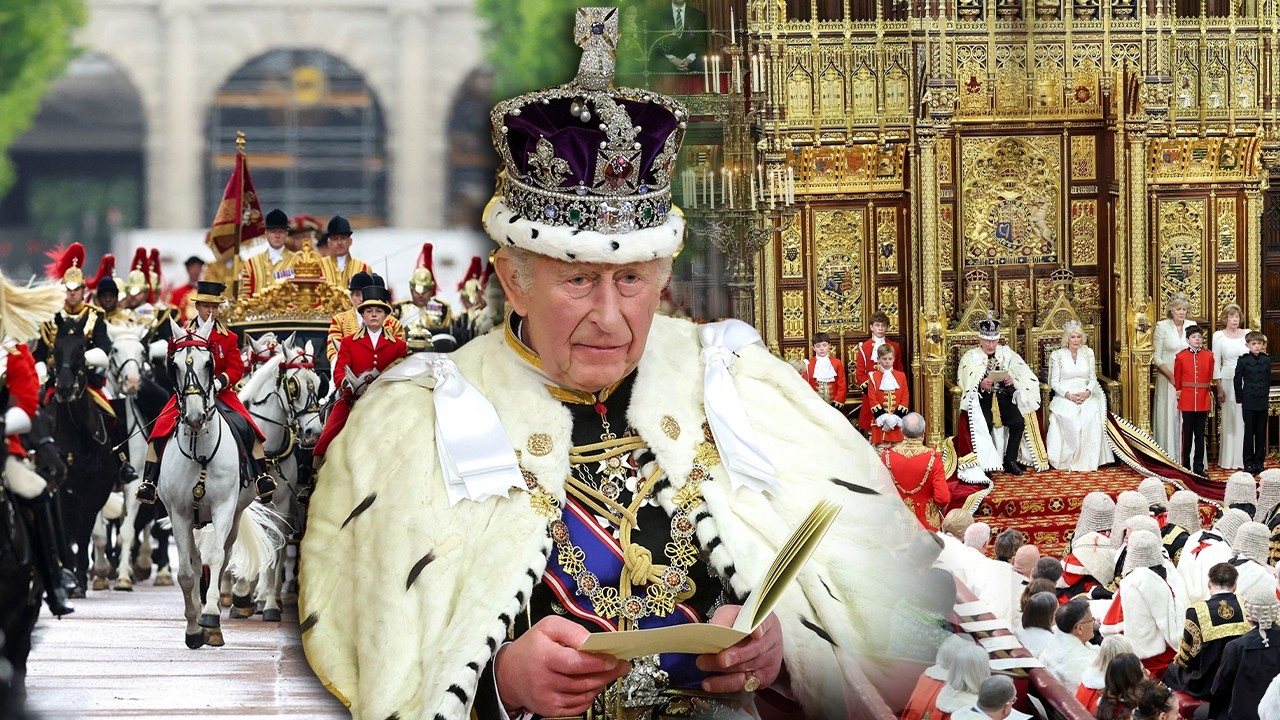
King Charles officially opened the UK Parliament, announcing 37 policies and laws the British government intends to advance to transform the nation, and reshaping its future.
On 13 May 2026 local time, the United Kingdom held the State Opening of Parliament ceremony, during which King Charles delivered a political agenda and outlined 37 legislative plans the government is preparing to promote.
What are the key highlights among these, and what exactly is the UK’s State Opening of Parliament? Thairath Online's special news team explains.

The State Opening of Parliament marks the official start of the parliamentary year, setting the government's agenda including policies, plans, and legislation it aims to pursue. It is the only regular occasion when all three components of the UK Parliament — the Sovereign, (the King), the House of Lords, and the House of Commons, (the elected representatives) — meet together.
This ancient ceremony dates back to the 16th century, with the current form established after the reconstruction of the Palace of Westminster in 1852, following a great fire in 1834. It is held on the first day of a new parliamentary session or shortly after a general election. The most recent ceremony was on 7 November 2023, opening the 2023-2024 session and marking the first state occasion of King Charles III’s reign. King Charles III presided over the ceremony.
The event begins with a royal procession from Buckingham Palace to the Palace of Westminster, where the King enters through the Sovereign's Entrance and proceeds to the Robing Room to don the Imperial State Crown, the UK's most significant crown jewel symbolizing the monarchy, along with ceremonial robes.

The King then leads the procession through the Royal Gallery, attended by about 600 dignitaries, to the House of Lords chamber.
Following this, the Black Rod, a senior official of the House of Lords, walks from the Lords chamber to the House of Commons to summon Members of Parliament (MPs) to attend.
The ceremony begins with MPs shutting the doors in Black Rod’s face, a tradition dating back to the English Civil War symbolizing the Commons’ independence from the monarchy.
Black Rod then knocks three times, the doors open, and the MPs follow him to the House of Lords chamber, standing at the Bar of the House, to listen to the King’s speech. The King delivers the speech known as
"The King’s Speech," which, despite its title, is written by the government. Afterward, the King departs, the new parliamentary session begins, and Parliament resumes its regular work. Members of both Houses debate the contents of the speech and vote on a
"formal address in reply to the speech." Each House then continues debating the legislative agenda for several days, divided by policy area. The House of Commons usually votes to endorse the speech, but the House of Lords often does not. .

In his speech on 13 May, King Charles outlined a government legislative program comprising 37 bills that the Cabinet aims to pass in the upcoming parliamentary session, including eight bills previously introduced. Key highlights include:


Sources:bbc,parliament.uk,BritishEmbassyBangkok