

Analyzing why Iranian footballers dared not to sing the national anthem, leading them to seek asylum abroad due to fears of execution.
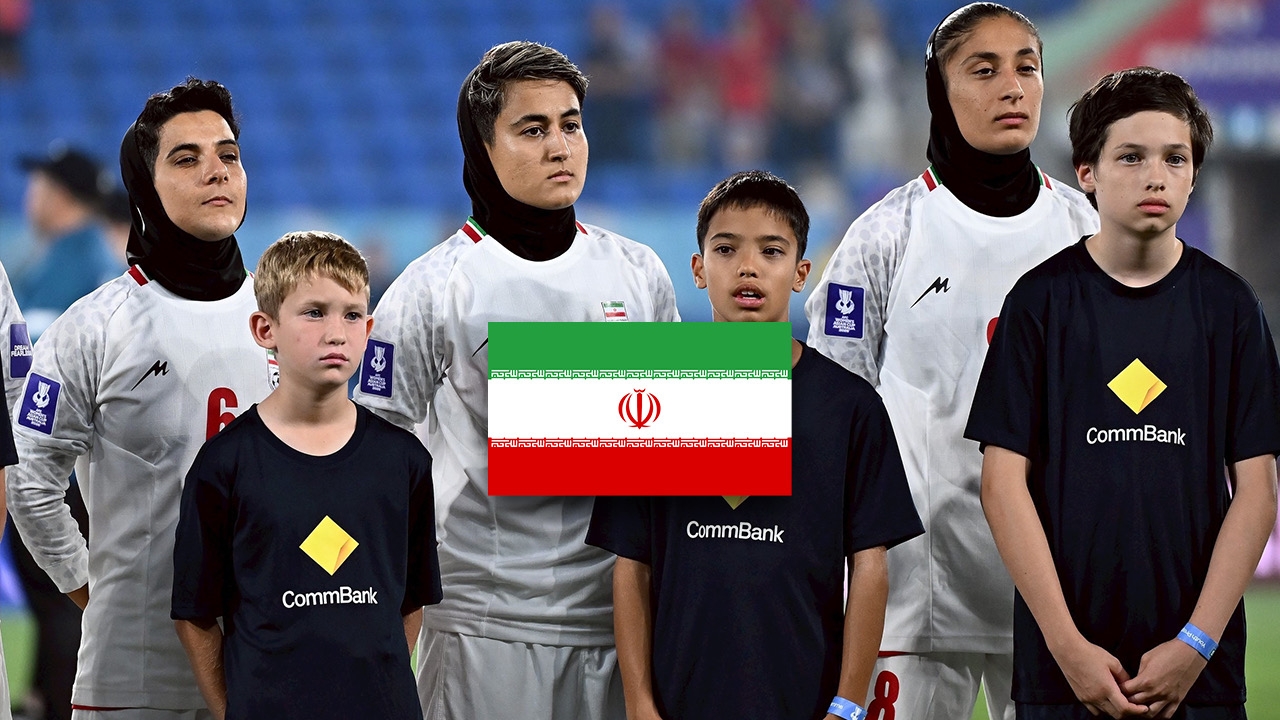
The Iranian women's national football team refused to sing the national anthem in their first match of the 2026 Asian Cup against South Korea in Australia on 2 Mar 2026 GMT+7. All players stood still, staring straight ahead, without uttering a single word as the anthem played. This led to accusations of "betraying the nation" amid criticism from the US and Israel.
Although no team member publicly explained why they did not sing, the context made the message clear globally. This happened after widespread protests in Iran against the government over economic grievances, suppression of free expression, and more. The government cut internet access and used live ammunition against protesters, resulting in thousands to tens of thousands of deaths.
Tina Kordrostami, an Iranian-Australian human rights activist, said that refusing to sing the anthem "requires immense courage." She explained, "For athletes worldwide, not singing the national anthem might just be a political gesture, but for Iranian athletes, it can have severe consequences. Female athletes in Iran cannot freely criticize the regime; their phones are monitored, public speech is restricted, and even private communications may be surveilled. Silence at that moment was one of the few ways they could communicate resistance to the world. It was not just symbolic, but a quiet plea for help to the international community."
In the following two matches, the stance changed. Alireza Mohebbi from Iran International News told ABC, "It is very clear that the Islamic Republic regime and security forces accompanying the players in Australia pressured them to sing the anthem. In the first match against South Korea, they did not comply, but now under pressure and with global media coverage, it is evident that the regime compelled them not only to sing but also to perform a military-style salute."
The silence of these female athletes on 2 Mar 2026 GMT+7 became one of the most powerful images of the year—not because of what they said, but because of their choice not to speak while the world watched.
Many demanded they be punished upon returning to Iran. As a result, five Iranian female players who did not sing the anthem sought asylum in Australia, fearing for their lives. Police have since placed them in a safe house.
Previously, male members of Iran's national football team, particularly during the 2022 World Cup, also refused to sing the national anthem to protest the Iranian government and show solidarity with citizens opposing government violence after the death of Mahsa Amini—a woman arrested by the morality police for allegedly improperly wearing a hijab. This symbolic act aimed to support women's rights and oppose domestic repression.