

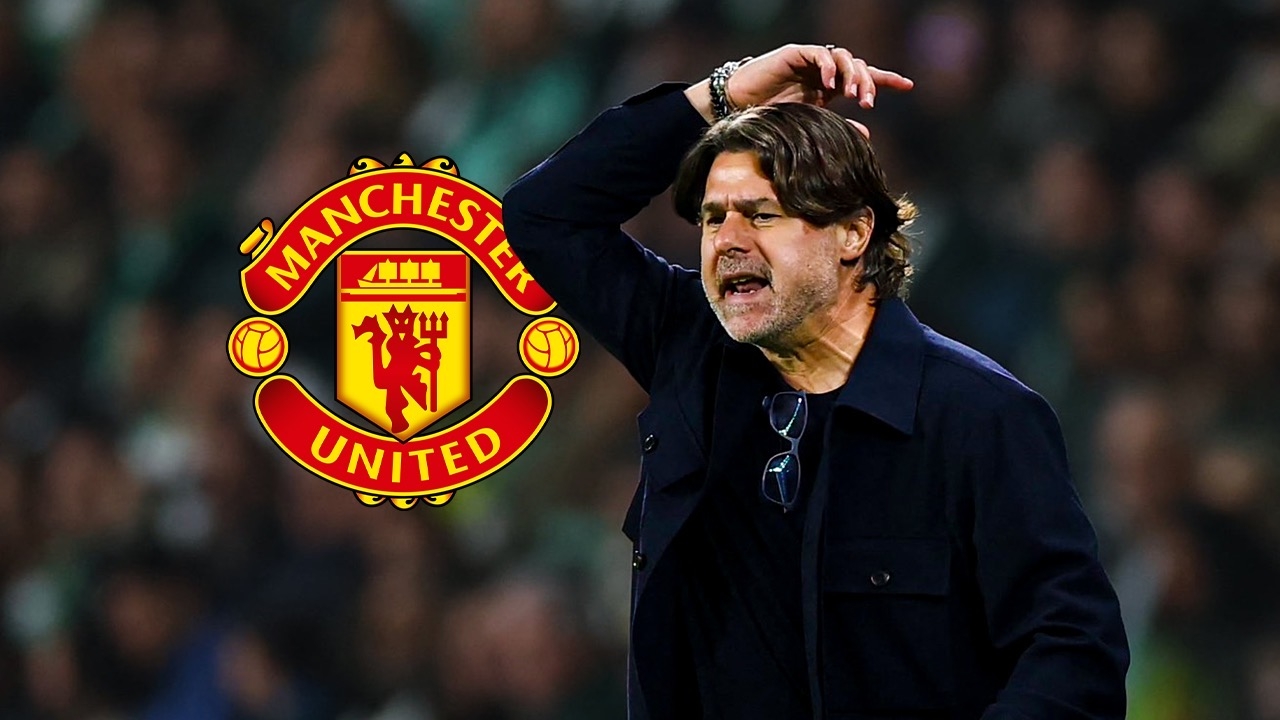
A reflection on the first two matches of Manchester United in the Mauricio Pochettino era and the issues that need addressing.
Mauricio Pochettino, the new Argentine manager, took charge of the "Red Devils" Manchester United, a prominent team in the English Premier League, succeeding Michael Carrick, the previous interim manager who was dismissed. However, the team has yet to achieve a victory in his first two matches.
His managerial debut came in the Premier League with an away match at Anfield against Liverpool, which ended in a heavy 0-4 defeat. Lenny Yoro was sent off with a red card as early as the 8th minute. In the second match, a UEFA Champions League group stage game, Manchester United drew 2-2 away at Sporting Lisbon, where Youri Tielemans received a second yellow card and was sent off late in the game. These are urgent issues Pochettino must address.
1. Defensive leaks and space behind the back line: It is well known that Mauricio Pochettino’s style emphasizes high pressing and pushing the defensive line up. The problem initially is that many defenders in this Manchester United squad lack the pace to chase long balls played behind them. When the high pressing is bypassed, the defense leaves large gaps, allowing opponents easy counter-attacks. The solution is to better coordinate the pressing rhythm as a unit—not just the forwards chasing but midfielders and defenders moving together as one line.
2. Building play from defense to midfield: The new manager at Old Trafford prefers a patient buildup from the back. However, during this coaching transition, positional confusion has been evident. A common issue is defensive midfielders being tightly marked and unable to escape pressure, forcing the goalkeeper to launch long balls or losing possession dangerously near their own penalty area. The fix involves clearly establishing passing triangles and encouraging full-backs to tuck inside to provide more passing options and numbers in midfield during buildup.
3. Sharpness and decision-making in the final third: Pochettino’s team often creates many shooting opportunities through quick transitions from defense to attack. Yet early on, the attackers often choose the wrong final action—passing when they should shoot, or shooting when they should pass—resulting in good possession but no goals. Improvement requires practicing automatic finishing movements inside the penalty box and reducing overly elaborate play among the wingers.
4. Fitness and intensity of play: Pochettino’s tactics demand high energy, with players running a lot and pressing intensely for the full 90 minutes. Initially, the team looks vigorous and aggressive for the first 20-30 minutes, but in the second half, especially late in the game, players visibly tire, causing the team to falter and concede late goals. The solution is to rotate players appropriately and gradually increase training intensity to help players sustain energy for the entire match without fatigue or injury.