

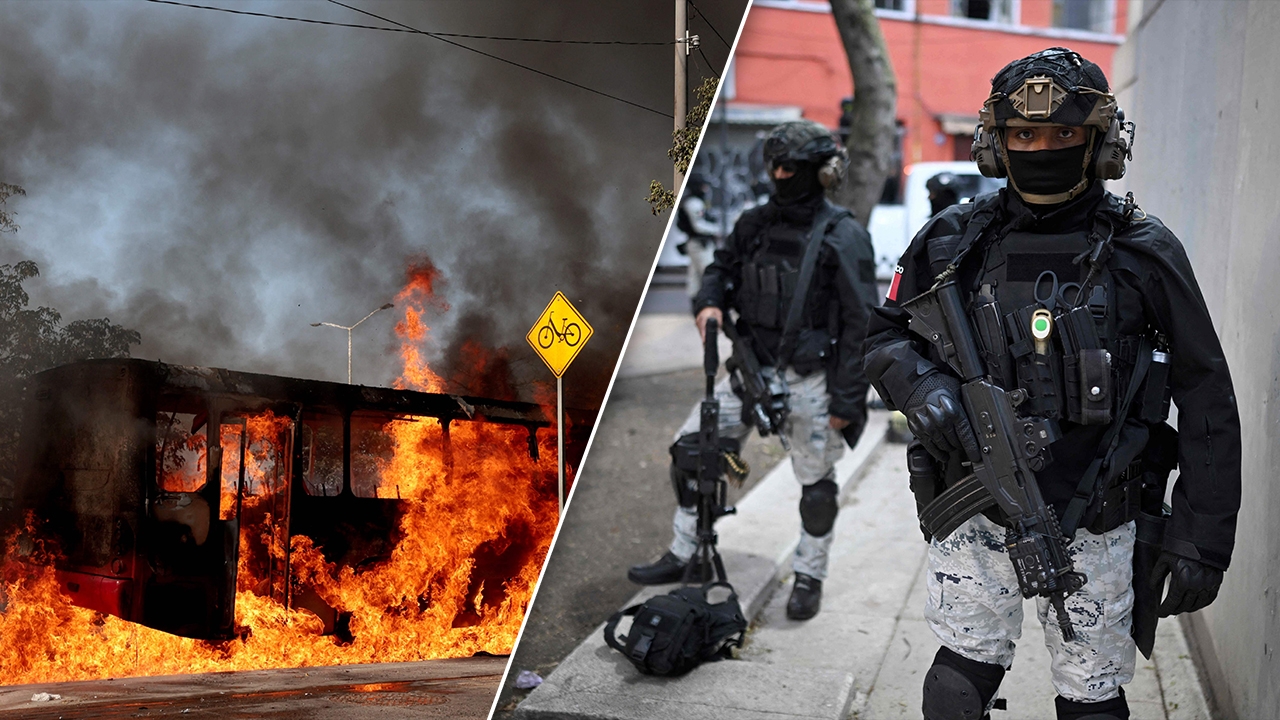
What’s next for the 2026 World Cup? FIFA reveals measures following drug cartel’s arson attacks in Mexico City.
On 24 Feb 2026 GMT+7, unrest in Mexico has become a major global concern after the Mexican military killed “El Mencho,” Nemecio Oseguera Cervantes, leader of the Jalisco New Generation Cartel (CJNG).
This triggered his network to retaliate with riots across the country, including car burnings, illegal checkpoints, and roadblocks at over 250 locations. In Guadalajara, at least 57 people reportedly died, leading to the immediate suspension of many sporting events nationwide for safety.
This crisis has directly impacted preparations for the 2026 World Cup.
Mexico is co-hosting the tournament with the United States and Canada. In Guadalajara, Estadio Akron is slated to host four key group stage matches:
1. South Korea vs. European play-off winner (12 June 2026)
2. Mexico (host) vs. South Korea (18 June 2026)
3. Colombia vs. intercontinental play-off winner (23 June 2026)
4. Uruguay vs. Spain (26 June 2026)
Reports also indicate that Spain, Uruguay, Colombia, and South Korea may use Guadalajara as their training base amid ongoing unrest.
FIFA issued its first public statement through The Athletic, affirming strong relations with the three host governments, closely monitoring the situation, and receiving continuous reports from on-site teams.
Although FIFA has an office in Mexico City, its main operations are based in the U.S., particularly South Florida and New York, leading a senior official to note that FIFA’s influence and access to in-depth information in Mexico may not be as strong as desired.
However, a FIFA spokesperson confirmed ongoing coordination with the Mexican government for over three years, emphasizing Mexico’s national commitment to the World Cup.
If safety concerns persist, FIFA has full authority to postpone, cancel, or relocate matches—possibly moving events to the U.S. or Canada instead.
Regarding potential cartel attacks on the World Cup, experts assess the risk as low since criminal organizations consider business interests beyond violence. The World Cup generates massive revenue from tourism, hotels, restaurants, and activities, so cartels might “temporarily reduce violence” to avoid disrupting income or attracting excessive government pressure.
Nonetheless, indirect risks remain, including hidden crimes, human trafficking, and extortion targeting local businesses linked to the large event.
Meanwhile, Mexican authorities are working to restore confidence by deploying the air force and territorial troops to tighten security, employing advanced technology like surveillance drones and AI systems within a 2-kilometer radius around stadiums to eliminate criminal hideouts and prepare for the tournament’s start.
In summary, FIFA has not announced any changes yet but is closely assessing the situation with contingency plans ready if needed.