

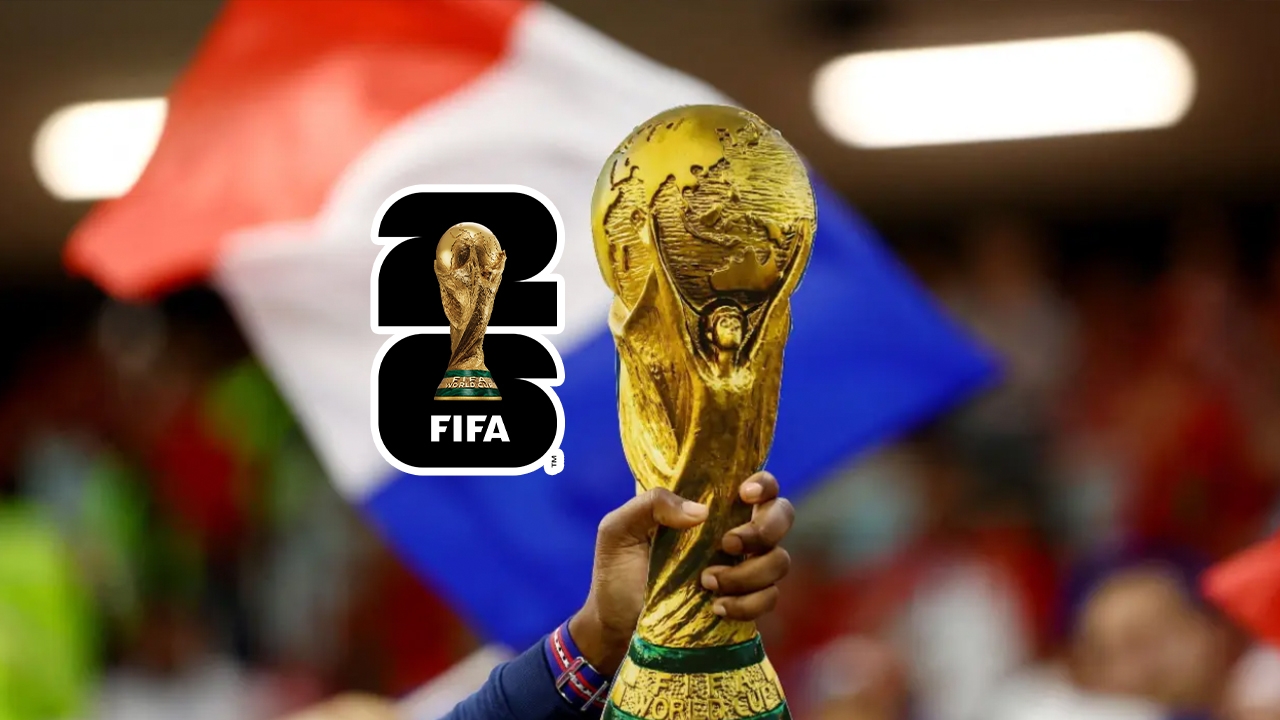
Thais are likely to miss watching the "2026 World Cup" as the government is set not to purchase the broadcast rights after FIFA refused to lower the price during negotiations.
On the 18th, a source from the National Broadcasting and Telecommunications Commission (NBTC) revealed progress on the consideration of purchasing the 2026 World Cup broadcast rights. There is still no official decision on whether to proceed, as involved agencies must thoroughly assess value for money, including the rights cost, broadcast conditions, match timings, advertising revenue potential, and the appropriateness of the budget for public benefit.
The source stated that Thailand's negotiation approach remains based on a budget close to what the NBTC previously supported for past World Cup broadcasts, roughly 600 million baht. This figure serves as the basis for bargaining with the rights holder.
However, when Thailand proposed a price ceiling at that level, negotiations faced limitations because the rights holder's expected price remains significantly higher than Thailand's acceptable budget. The representative (agent) indicated the price must not be below 1.3 billion baht.
The source emphasized that the main issue is not a lack of importance placed on broadcasting the World Cup but rather whether the budget spent would be justified by the outcomes. The 2026 World Cup lasts about one month, yet the licensing fee is very high. Some government agencies, in consultation with sports associations or relevant football bodies, believe that if such a large budget is required, it might be better allocated to other public-benefit projects.
Additionally, the 2026 World Cup, hosted in the US, Canada, and Mexico, presents a significant challenge due to match times in Thailand. Some matches start around 3:00 a.m., and some finish near 10:00 a.m., which may reduce Thai viewers' enthusiasm compared to tournaments held in Europe or Asia. Businesses that previously benefited from the World Cup, such as restaurants, entertainment venues, or group viewing events, might not fully capitalize on this event. However, if the private sector assesses the value and wishes to collectively purchase the rights, they may proceed.
At the same time, advertising sales and commercial revenue from broadcasting may be more difficult due to the inconvenient match times limiting broad viewership. As a result, the private sector has not shown clear interest in financially supporting the rights purchase, especially given that the potential advertising revenue may not sufficiently offset the high licensing costs.