

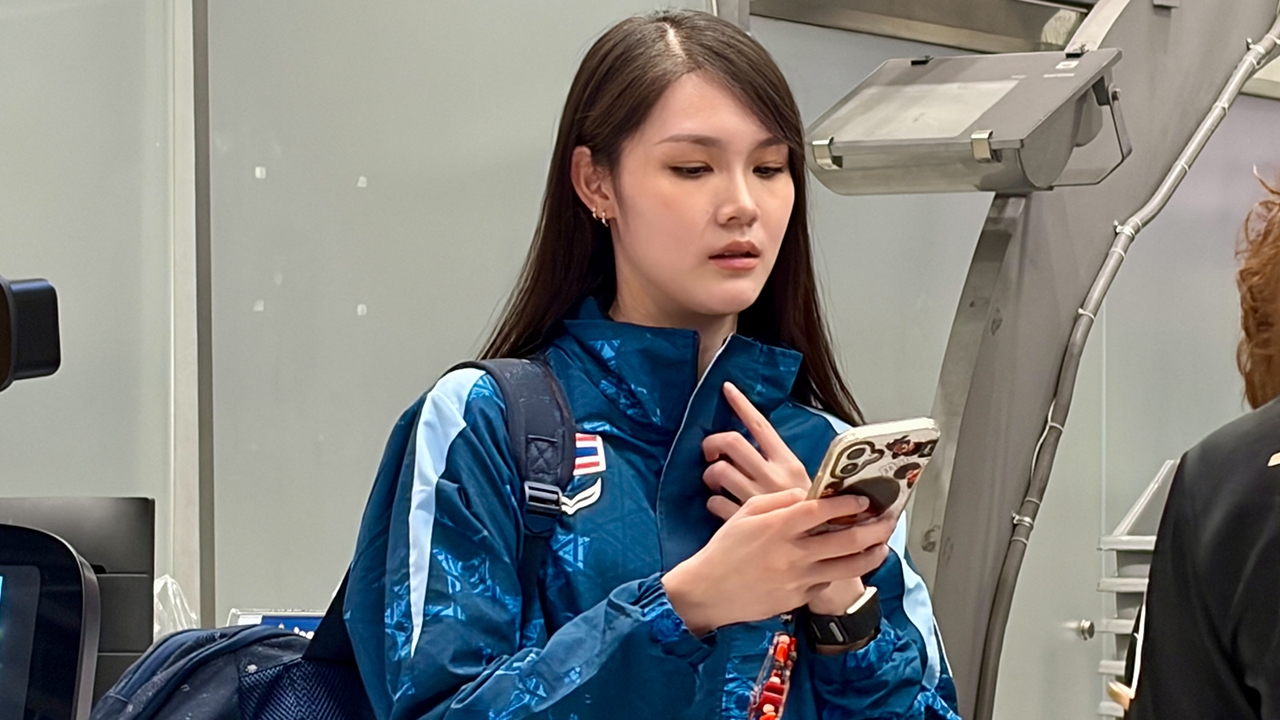
Why Furosemide Is a Banned Substance and Its Impact on Pink Pitchamon After Missing the 2026 Asian Games
On 21 Sep 2026 GMT+7, the International Testing Agency (ITA), on behalf of the Olympic Council of Asia (OCA), announced that Pink Pitchamon Opasnipat, a Thai national women's badminton player ranked 18th in the world, has been provisionally suspended from competition.
This followed a positive test from a sample collected on 17 Sep 2026 GMT+7, detecting furosemide in her system, preventing her from competing, training, or participating in any activities at the 2026 Asian Games in Aichi-Nagoya, Japan, while the case is under review.
Furosemide is a diuretic and masking agent classified by WADA in the Prohibited List category S5. It is banned at all times, both in and out of competition. Medically, it is used to treat edema and high blood pressure.
However, in sports, it is misused to rapidly reduce body weight by expelling water, benefiting athletes who must meet specific weight classes.
More importantly, as a masking agent, furosemide dilutes urine to conceal traces of other banned stimulants that might be present, making them undetectable. This is the primary reason WADA strictly prohibits it, even though furosemide itself is not a direct performance enhancer.
Nevertheless, furosemide is classified as a "Specified Substance," unlike some severe stimulants, allowing athletes to explain the source of the substance and claim it was not intentionally used to cheat.
Currently, this is only an "initial notification," not a final verdict. Pink has the right to appeal the provisional suspension to the Court of Arbitration for Sport and can request analysis of the B sample to confirm the result, following the World Anti-Doping Code procedures.
Short term – She is immediately barred from competing in the 2026 Asian Games regardless of the final outcome.
B sample testing – If the B sample confirms the A sample result, the case will proceed to formal disciplinary proceedings.
Hearing – The disciplinary panel will examine intent and the source of the substance, such as supplements, prescribed medications, or contamination, which will affect the penalty.
Possible sanctions – Ranging from a warning to a ban of 1-2 years, depending on the findings regarding intent or negligence.
At this time, all parties must await the B sample results and official statements from the athlete and her team before determining the case's resolution.