

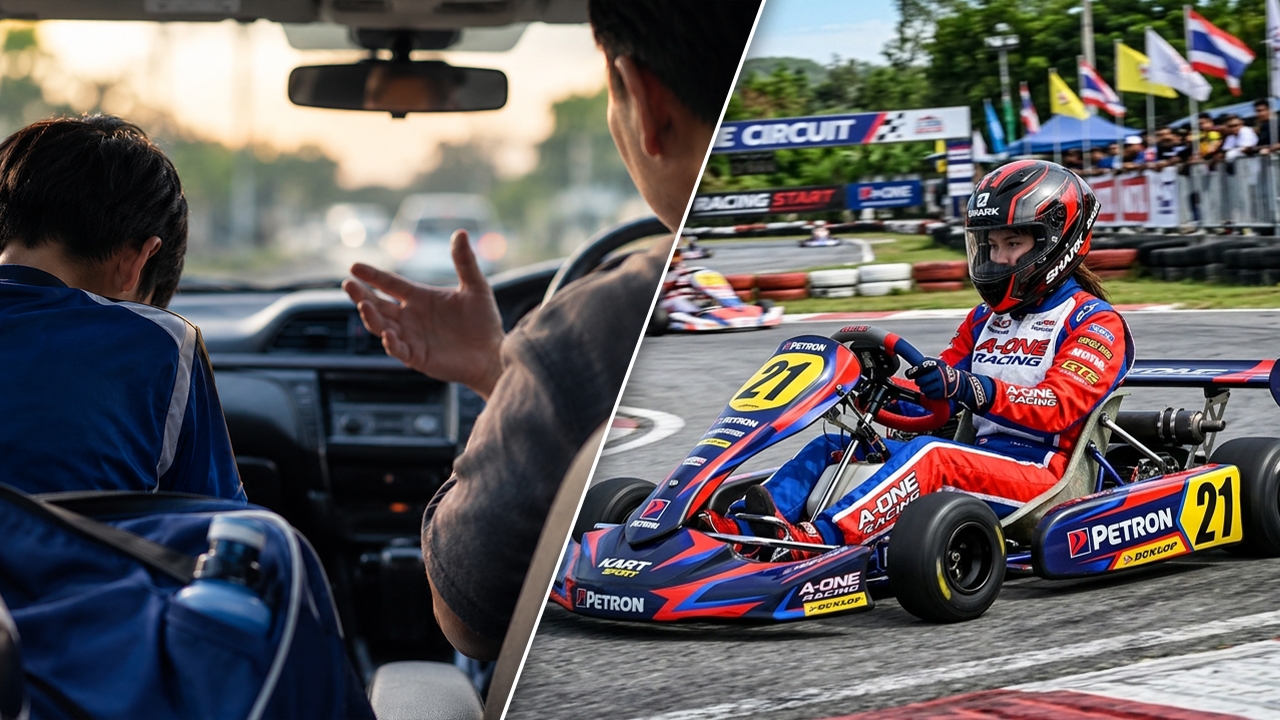
Warning to parents! Avoid criticizing children while driving home after sports events to prevent long-term relationship damage.
The drive home after a competition can become a negative memory for young athletes if parents use that time to criticize or review their child's performance instead of offering encouragement.
Don Riddell, a CNN sports anchor, shared a personal experience: years ago, his son secretly recorded a video of him driving home from a youth tennis match, during which he criticized his son's perceived lack of effort. Watching it later, he felt regret and wished he could undo what he had said.
Melanie Bedard, mother of Connor Bedard, captain of the NHL's Chicago Blackhawks, revealed that some young athletes have cried because they feared getting into the car with their parents after poor performances, worried about being scolded.
She believes some parents focus too much on sports success, forgetting the most important thing—the family relationship. Even if a child becomes a world-class athlete, a sports career may end in their 30s, but the parent-child relationship lasts a lifetime.
Research analyzing parent-child conversations after sports events found that about 59% of the time is silent, with sports talk occurring only 13% of the time. Researchers note that silence to cool down emotions is not harmful, as children also need time to reflect on what happened.
Additionally, data from the American Academy of Pediatrics shows that 70% of youth athletes quit organized sports by age 13, with loss of enjoyment being a key factor.
Richard Williams, father of tennis legends Venus and Serena Williams, established a rule of no tennis talk during the drive home—win or lose—to let his children enjoy childhood without constant competitive pressure.
John O'Sullivan, former professional footballer and founder of the Changing the Game Project, recommends parents say simply, “We love watching you play sports,” rather than immediately criticizing mistakes after a game.
Since most children are already aware of their errors, giving them time to process feelings and showing that parental love is unconditional can help maintain both their joy in sports and family relationships over the long term.
Source: CNN report by Don Riddell https://edition.cnn.com/2026/10/03/sport/parent-drive-home-criticism-wellness