

“Big Golf” of the Drug Suppression Division has partnered with “Deputy Jo” of the Metropolitan Police to train D.A.R.E. police instructors, advancing efforts to build drug resistance in schools across the capital and develop life skills for Thai children in the digital era.
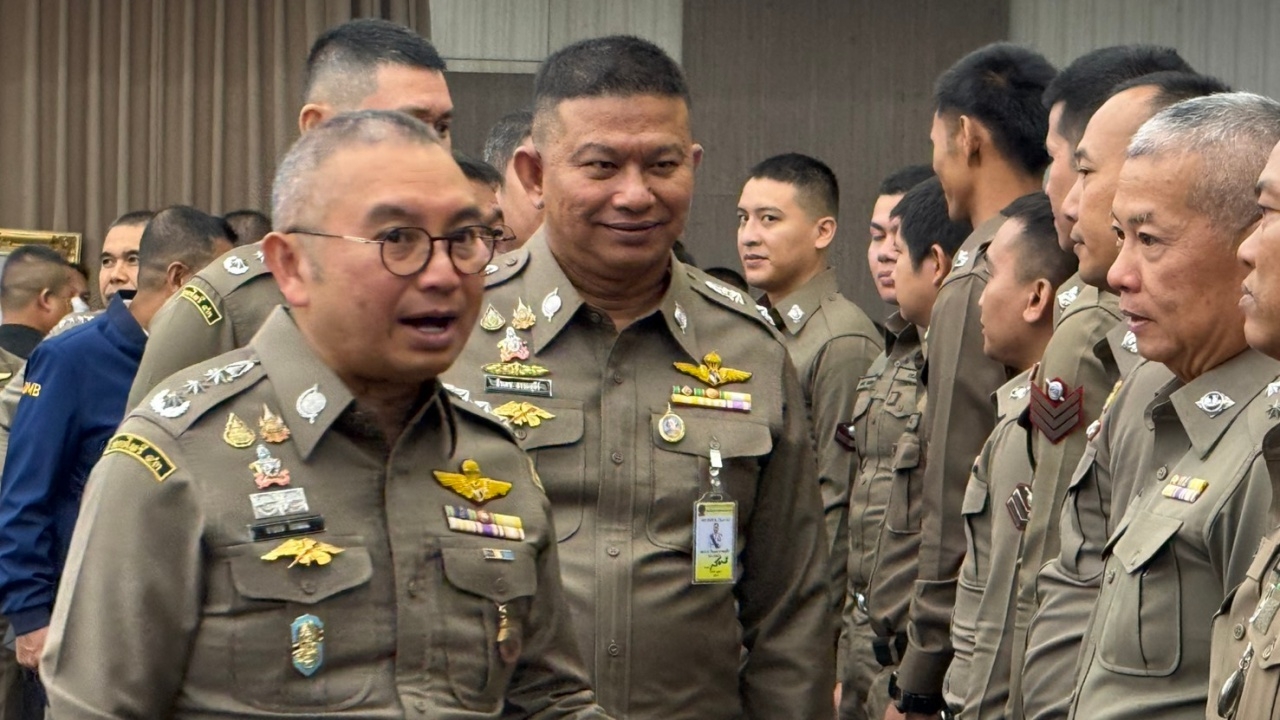
On 28 April 2026 at Palazzo Hotel in Bangkok, Police Lieutenant General Atchayon Kraithong, Commander of the Drug Suppression Division, presided over the opening ceremony of a seminar attended by commanders under the Drug Suppression Division.
The Metropolitan Police Commander, Police Lieutenant General Siam Boonsom, assigned Police Major General Theeradej Thammasuthi, Deputy Commander of the Metropolitan Police responsible for drug affairs, along with Police Major General Wassa Wassanon, Commander of the Drug Suppression Division's Operations Bureau; Police Colonel Sakya Saengwan, Deputy Commander of Metropolitan Police Region 1; Police Colonel Surapong Phutkhao, Deputy Commander of Metropolitan Police Region 4; Police Colonel Ruthee Pandam, Deputy Commander of the Metropolitan Police Investigation Division; Police Colonel Pornthep Chalermkiat, Superintendent of Suthisarn Police Station; and officers from the Metropolitan Police Drug Suppression Center to attend the seminar's opening.

They participated in the opening of the 6th D.A.R.E. (Drug Abuse Resistance Education) Police Teacher Capacity Building Seminar for the 2026 fiscal year under the Metropolitan Police, held from 28 to 30 April 2026, alongside Deputy Commanders from Metropolitan Police Regions 1 through 9 and investigative officers.

The training involved a total of 160 police officers, distributed as follows: Metropolitan Police Region 1 with 15 officers; Region 2 with 20; Region 3 with 20; Region 4 with 16; Region 5 with 20; Region 6 with 15; Region 7 with 15; Region 8 with 16; Region 9 with 20; the Special Operations Division with 1 officer; and the Special Investigation Unit with 2 officers.

The objective was for D.A.R.E. police instructors to review knowledge, learn new teaching techniques, exchange views on instructional methods, understand the importance of their role, and build motivation to fulfill their duties effectively.

According to government policy, drug problems are urgent issues requiring action focused on reducing the social impact of drugs, ensuring security, and alleviating public distress caused by these issues. The National Police Office’s drug prevention framework emphasizes building immunity in children and youth, particularly fifth-grade students, through educational processes designed to prevent their involvement with drugs.