

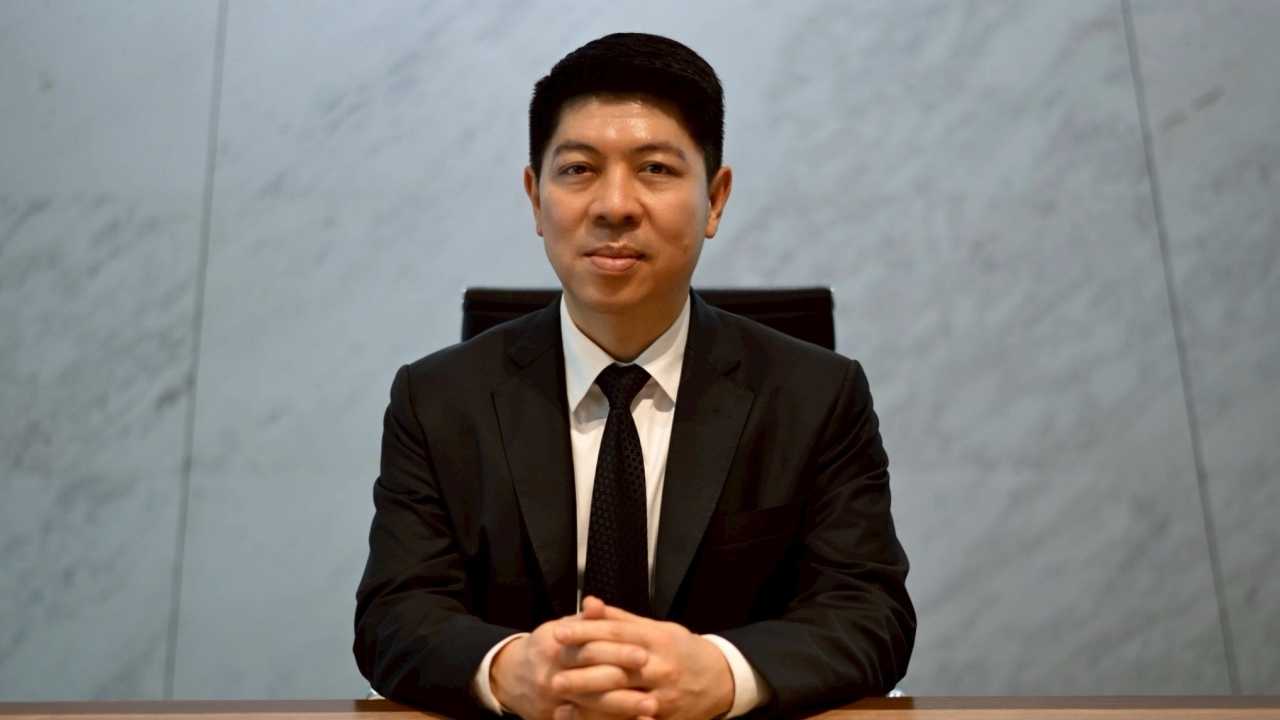
The Central Criminal Court for Corruption and Misconduct marks its 10th anniversary. The "Justice Court spokesperson" revealed statistics showing 2,554 cases completed, exceeding 96 percent, since the court opened in 2016. The majority of prosecutions have been filed against state officials under Section 157.
On 29 Apr 2026 GMT+7, Mr. Suriyan Hongwilai, spokesperson for the Justice Court, stated that in 2026 the Central Criminal Court for Corruption and Misconduct will celebrate its 10th year since opening on 1 Oct 2016. Over the past decade, the court has handled 2,658 cases (statistics from its opening in 2016 until 31 Mar 2026), comprising 2,593 new cases and 65 cases transferred from the corruption and misconduct division of the Criminal Court. Of these, 1,033 cases were filed by state agencies as plaintiffs, while 1,625 were initiated by private plaintiffs. The court has completed judgments in 2,554 cases, representing 96.08 percent, with 103 cases pending (3.87 percent), and none pending over one year.
The Justice Court spokesperson said the top charge is: "An official unlawfully performs or neglects official duties, or commits corruption in duty performance" under Section 157 of the Criminal Code, totaling 1,742 cases.
Second most common is: "An official embezzles property belonging to oneself or another through corruption" under Section 147 of the Criminal Code, with 222 cases.
Third is: "An official fabricates or certifies false documents" under Section 162 of the Criminal Code, totaling 204 cases.

Mr. Suriyan added that on 23 Apr 2026 GMT+7, the Central Criminal Court for Corruption and Misconduct held a justice cooperation project for justice agencies in the 2026 fiscal year. The event included an academic seminar titled "10 Years of the Central Criminal Court for Corruption and Misconduct: Lessons, Challenges, and Future Directions" at Centara Grand Central Plaza Ladprao Hotel, Bangkok. Mr. Adisak Tantivong, President of the Supreme Court, presided over the ceremony. The seminar marked the 144th anniversary of the Justice Court and the 10th anniversary of the Central Criminal Court for Corruption and Misconduct's establishment.
The event delved into key academic topics through lectures and discussions, including “Economic Perspectives on Tackling Corruption” and “Voices of Victims in Corruption Cases: Legally Supported Rights.” Esteemed speakers from various agencies participated, such as Professor Charan Phakdeethanakun, former Constitutional Court judge; representatives from the Office of the Public Sector Anti-Corruption Commission (PACC); the National Anti-Corruption Commission (NACC); the Office of the Attorney General; Chulalongkorn University; and the Justice Court. The academic activities aim to develop effective case proceedings that protect the rights and freedoms of all parties fairly and comprehensively, in line with legal intent.
The Justice Court spokesperson further explained issues concerning victims in corruption and misconduct cases, noting ongoing public confusion about whether ordinary citizens can sue independent agency committees, especially the Election Commission, as plaintiffs.

On this issue, Mr. Thanarat Thangthong, Chief Judge of the Central Criminal Court for Corruption and Misconduct, commented during the academic seminar and afterward. He stated that ordinary citizens can sue the Election Commission according to the appellate court president’s ruling affirming this right. A key condition is that the citizen must be directly harmed by the Election Commission’s actions. If not directly harmed, the court will dismiss the case.
“For example, in a well-known case where a reserve senator sued the Election Commission at the Central Criminal Court for Corruption and Misconduct, the court dismissed the suit. This may have caused some public misunderstanding that the court denies the right to sue for those harmed by senator election fraud or collusion, reserving such suits only for prosecutors. However, in this case, the plaintiff did not allege that the senators colluded and that the Election Commission was liable for election collusion under Section 157 of the Criminal Code. Instead, the plaintiff claimed the Election Commission delayed its investigation into the senator collusion. The suit aimed to expedite the investigation and sanction the delay. The court ruled that the reserve senator plaintiff was not clearly part of the group of senators involved in collusion nor directly harmed under Section 157, so the plaintiff lacked authority to sue in this matter. This ruling does not strip the rights of individuals harmed by criminal acts.” Mr. Suriyan said.
The Justice Court spokesperson added that the Central Criminal Court for Corruption and Misconduct is a court of first instance established under the Central Criminal Court for Corruption and Misconduct Establishment Act of 2016, upgraded from the corruption and misconduct division of the Criminal Court. Currently, there are 10 such courts nationwide: the Central Court and regional courts numbered 1 to 9. Their main task is to adjudicate cases where state officials are accused of criminal offenses related to their official duties, offenses against justice administration, corruption under other laws, money laundering, asset declaration, and asset forfeiture to the state. Prosecuting authorities authorized to bring cases to this court include the Office of the Attorney General, public prosecutors, the National Anti-Corruption Commission (NACC), and cases where victims themselves file complaints.