

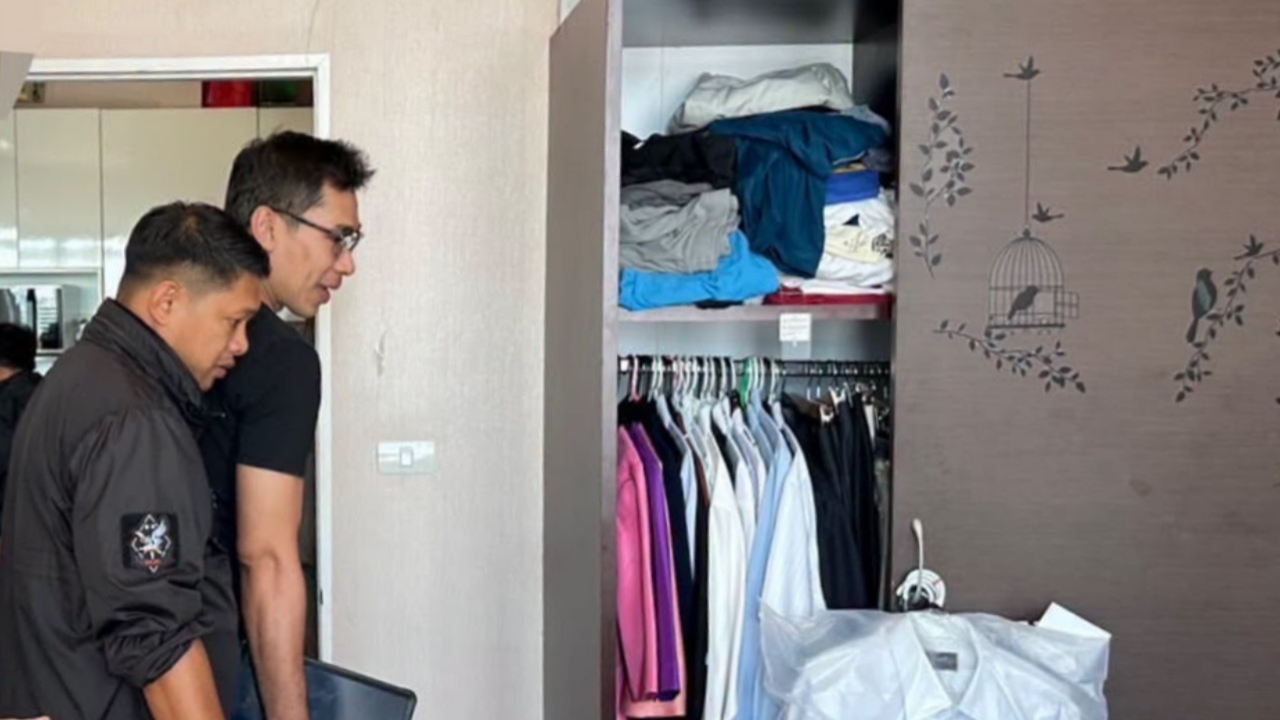
Thai Flight Attendant Transporting Heroin : The ONCB coordinates with AFP to expand investigation into transnational heroin trafficking network by searching residence “Thai Flight Attendant” Warns public to avoid carrying items across countries due to risk of concealed drugs and emphasizes severe penalties
On 29 Jun 2026, Ms. Areepak Ngenbamrung, Deputy Secretary-General and spokesperson of the Office of the Narcotics Control Board (ONCB), clarified the case involving the arrest of airline crew by Australian authorities on charges of smuggling Category 1 narcotics (heroin) in Melbourne, Australia. The ONCB and AFP have cooperated under the “Taskforce Storm” operation since 2016, exchanging intelligence, expanding arrests, and seizing assets of suspects in Thailand, Australia, and other countries where suspects have fled.

Regarding this case, the ONCB recently exchanged information with the AFP, confirming clear facts, and will use this information to expedite investigations to dismantle the network smuggling drugs into Australia.
On the same day, the ONCB conducted a search of the accused woman’s residence and interrogated her partner to further investigate those owning and involved in the drug network believed to be responsible for smuggling narcotics to Australia. Authorities are gathering evidence and tracking accomplices to prosecute under the law.
The ONCB spokesperson further explained current baggage inspection measures before departure: Airports of Thailand (AOT) screens carry-on and checked baggage with X-ray machines to detect dangerous items, weapons, or prohibited goods for all passengers and crew, who have direct access to operational areas and aircraft, thus undergoing the same security checks as passengers.
The ONCB is actively discussing with AOT to enhance security measures and tighten screening systems to the highest level of thoroughness.

Additionally, the ONCB integrates efforts among Thai and international law enforcement agencies to address transnational drug issues by establishing task forces for drug interception and suppression at airports (AITF) and seaports (SITF), expanding cooperation within ASEAN region (AAITF and ASITF), and providing training to transport operators and private companies to monitor and prevent drug trafficking via international shipments.
Finally, Ms. Areepak urged the public to strictly avoid carrying or accepting baggage across countries, as drug trafficking networks often employ couriers or intermediaries to smuggle narcotics hidden inside parcels. If detected, the courier becomes a suspect for illegal import/export of narcotics unknowingly, facing severe legal penalties. Specifically, offenses involving Category 1 narcotics (such as heroin, crystal meth, methamphetamine pills, or ecstasy) carry maximum penalties including life imprisonment or death under both Thai law and the laws of destination countries.
If suspicious behavior or drug-related information is observed, the public can report to the ONCB hotline at 1386, available 24 hours.