

The investigation committee held its third meeting to identify loopholes in local government recruitment exams, establishing a review framework covering more than 30 issues. It emphasized that it does not allege fraud but is working to close system gaps, with plans to present findings to the Deputy Prime Minister within this week.
Progress report on the investigation into corruption in the recruitment examinations for civil service positions under the Department of Local Administration.
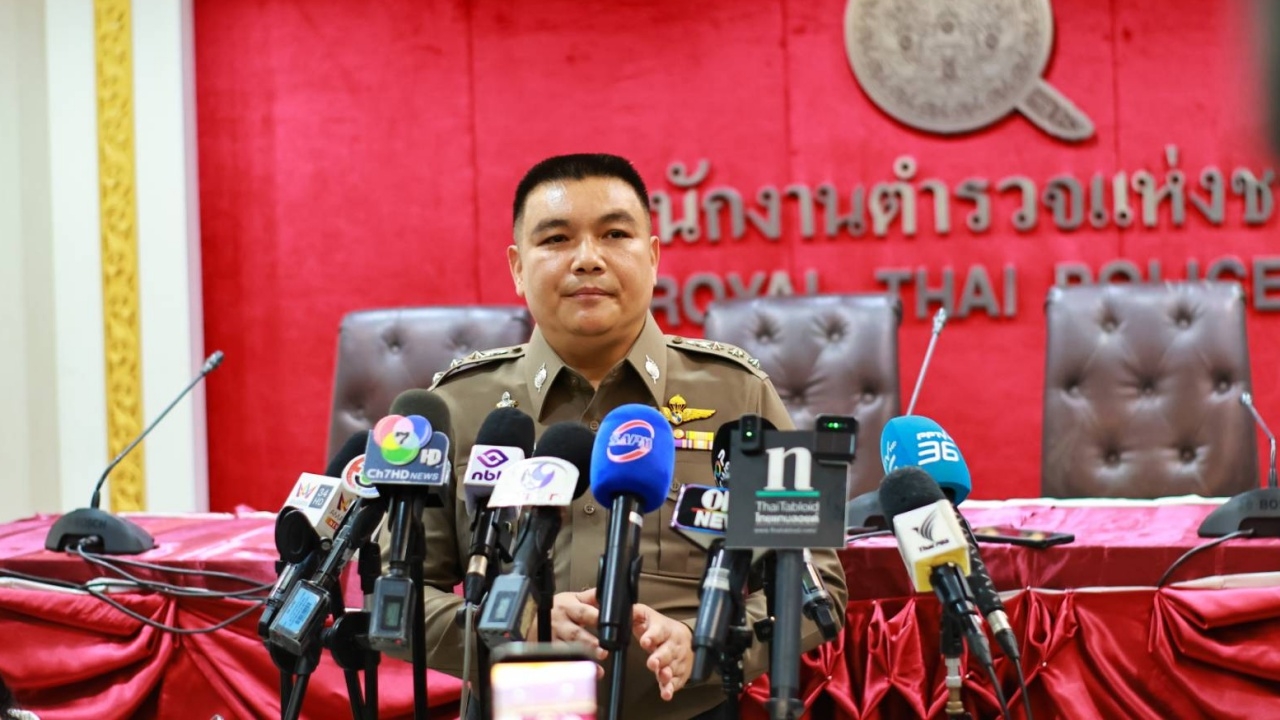
On 20 July 2026, Pol. Col. Uthen Nuipin, Deputy Commander of the Operations Division, Provincial Police Region 6, and spokesperson for the Fact-Finding and Legal Review Committee, disclosed after the committee's third meeting— a subcommittee chaired by Deputy Prime Minister Pakorn Nilprapunt—that the meeting aimed to define the scope for fact-finding and legal review regarding the local government competitive examination process and to expedite a report for submission to Deputy Prime Minister Pakorn within this week.
Pol. Col. Uthen stated that representatives from various agencies participated in the meeting, including the Royal Thai Police, the Civil Service Commission, the Office of the Council of State, and other related bodies. All parties jointly reviewed facts and legal issues to find ways to prevent future problems in the competitive examination process.
The committee spokesperson confirmed that the objective of this review is not solely to determine whether fraud occurred but to examine the entire process—from application, exam preparation, administration, ongoing exam oversight, grading, result announcement, to appointment procedures—to identify procedural gaps or areas needing improvement and to establish a central standard for public sector competitive exams going forward.
Initially, the meeting approved a review framework covering more than 30 issues, divided into three phases: pre-exam, during the exam, and post-exam. The committee assigned a working group to gather facts and findings on each issue to develop policy recommendations.
Pol. Col. Uthen noted that although the committee has identified some issues and gaps in the examination process, it cannot yet specify which are the root causes of any fraud, as data collection from all agencies is ongoing. It is therefore premature to detail or pinpoint the main problematic steps.
The committee has studied competitive examination processes from multiple agencies to compare with local government practices, including those of the Civil Service Commission, police units, and other government bodies, aiming to create Standard Operating Procedures (SOPs) that can serve as unified guidelines for all agencies' competitive exams in the future.
Regarding the local government examination process, Pol. Col. Uthen explained that multiple agencies are involved. It starts with local government bodies requesting personnel positions. Then, the Central Personnel Management Committee for Local Governments sets frameworks and quotas before assigning the Central Committee for Local Government Competitive Examinations (Gor Sor Thor) to organize the exams. Gor Sor Thor may conduct exams directly or outsource certain steps to universities or external agencies according to regulations, before announcing results and sending the list of successful candidates back to local governments for appointment per approved quotas.
The committee spokesperson stated that this review will assess whether all involved agencies have acted within their authority and according to established regulations, and identify any steps needing improvement to prevent systemic loopholes.
Regarding concerns about exam paper transport, storage, grading, or inter-agency data transfer, Pol. Col. Uthen said the committee is still collecting information and suggestions from all parties and cannot yet identify which issues are critical or linked to ongoing criminal cases.
Pol. Col. Uthen emphasized that the fact-finding and legal review committee operates distinctly from criminal investigations. This committee lacks authority to conduct criminal inquiries, issue summonses, press charges, or prosecute individuals. Its role is to study overall facts and legal issues to produce academic and policy recommendations for the government.
However, the committee’s findings may be useful to criminal authorities if any facts or issues related to wrongdoing emerge, as the collected data could reveal processes or steps enabling misconduct, even though exam fraud does not currently constitute a specific criminal offense under the law.
Pol. Col. Uthen added that the National Police Chief has instructed the working group to operate strictly within their authority. All information—documents, witness testimony, or physical evidence—must have verifiable origins and clear references to ensure the credibility of the study and its usefulness for system improvements.
Meanwhile, the working group has interviewed seven witnesses from all relevant sectors covering every stage of application and competitive examination, including government agencies, examination administrators, and involved private sector entities. Data collection is now over 70% complete.
Next, each working group will analyze the gathered information in detail, formulate opinions on each issue, and compile a comprehensive report to present to the full committee and Deputy Prime Minister Pakorn Nilprapunt. This will serve as a guideline for improving local government competitive examination systems to be transparent, rigorous, and effectively prevent fraud in the future.