

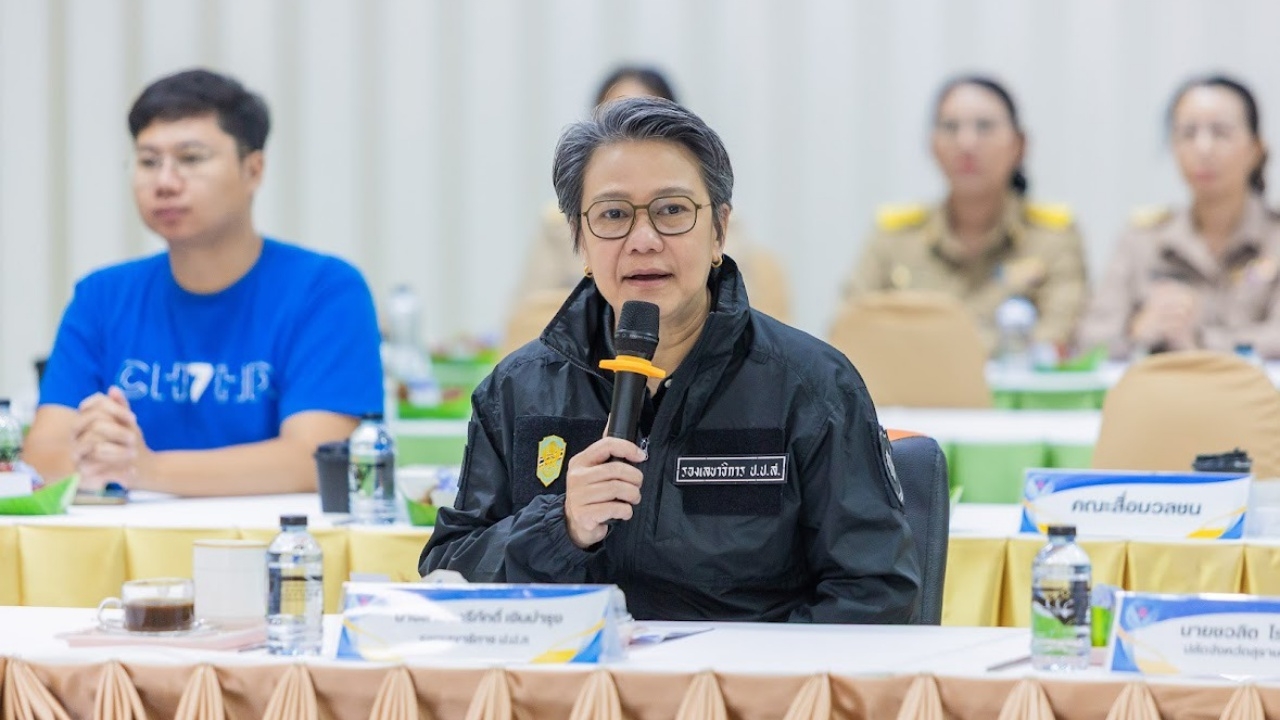
The Narcotics Control Board spokesperson revealed the case of a Thai woman caught at Fukuoka Airport carrying items after methamphetamine was found hidden in a coffee packet. It is still unclear whether she is a victim or part of the trafficking network. Initially, Japanese authorities have filed two charges, awaiting prosecutor's decision on indictment by 31 July.
On 26 July 2026, Mr. Thanakrit Thongnoi, 53, gave a statement to investigators at Bang Bua Thong Police Station after his daughter, Ms. Juthathip, 28, who works as a porter, was arrested at a Japanese airport where methamphetamine was found concealed in a coffee packet on 12 July. Her mother believes she was deceived and coordinated with police to check CCTV in the village and investigate the sender named "Ing Ing" on the package, seeking assistance from relevant agencies to track case progress.

Mr. Thanakrit, the father, said he does not know the condition of the package or who "Ing Ing" is, suspecting the sender acted independently. He does not know if the package was opened but was thoroughly inspected. He is concerned because he has been unable to contact his daughter since her departure for Japan on 10 July. On 22 July, the Ministry of Foreign Affairs notified him that she was caught carrying methamphetamine. He remains worried and wants news about his daughter's condition.
He stated his daughter is definitely a victim as she has no criminal record and has worked as a porter for about a year. He always warned her, confident she would not be involved in such activities. The person named "Ing Ing" is believed to have sent items before. Porters usually communicate via LINE or Facebook groups. His daughter only carries items to Japan and manages this work herself. He is not involved, as he runs a different business, and he always cautioned her. She also buys and sells scrap goods.
He added that his daughter mostly traveled to Japan for tourism, though he is unsure of the frequency or destinations. She claimed to inspect all parcels, but this particular item was sealed well, so she did not open it. It was said to be coffee, but the brand is unknown. There were nine parcels in total; all were collected except this one.
On 27 July 2026, Ms. Areepak Ngenbamrung, Deputy Secretary-General and spokesperson for the Narcotics Control Board, stated that Japan's legal process differs from many countries. Authorities must scientifically verify the type and amount of drugs before proceeding. Currently, only methamphetamine concealed in a coffee packet is confirmed, but the exact amount is unknown. If proven to be smuggling for commercial purposes, the maximum penalty is life imprisonment. However, Japanese courts usually impose 5–10 years for such cases.
Japanese authorities have filed two charges against the Thai woman: methamphetamine-related narcotics offenses and customs violations. She remains in Japanese police custody and has been held by prosecutors since 13 July. Her detention was to expire on 2 August but was extended to 31 July because 2 August falls on a Saturday. Prosecutors will decide whether to indict her then. If indicted, she will be detained during the trial for up to two months until a verdict is reached. If not indicted, she will be deported to Thailand immediately.

There is ongoing communication with Japanese police due to mutual cooperation. Japanese authorities reported that the woman departed Don Mueang Airport on 11 July and was arrested at Fukuoka Airport on 12 July. Regarding the family's belief that she is a victim who was deceived, it is currently unclear whether she is a victim or accomplice, as the investigation and evidence gathering are under Japanese police jurisdiction. Statements, evidence, and facts must be reviewed before prosecutors decide on indictment, similar to other international cases.
Ms. Areepak advised that if the family cannot contact their daughter, they should coordinate through the Japanese Embassy in Thailand, the primary agency for assisting Thai nationals abroad. The legal proceedings are under Japanese police authority, and currently, there is no information linking the case to investigations in Thailand.
Regarding the LINE account named "ing ing" that contacted the suspect to arrange shipping from Thailand to Japan, which is suspected to be linked to other cases, it is premature to conclude it is the same person or network. Similar names may be coincidental or commonly used. Further investigation and expansion of inquiries are needed. The Narcotics Control Board Region 1 is examining the method of concealing drugs in coffee packets, creamer sachets, or supplement packaging, a common tactic in drug cases, identifiable by signs of cutting and resealing.
The Narcotics Control Board has continuously warned the public that carrying undeclared goods abroad is illegal and a high-risk occupation because the employer and contents are often unknown. If weight or condition seems unusual, the carrier should immediately refuse. For example, drugs have been hidden inside tamarind paste, detectable by abnormal weight. Those choosing to work as porters must research and verify goods carefully, exercising maximum caution, as one mistake could severely impact their life and result in harsh legal penalties.