

A lawyer revealed that “Fluke” requested to give additional testimony, confessing to the murder and burial of three victims but claimed he was coerced. He firmly denied any knowledge of the murder of the two Russian siblings. Details of his behavior are included in the case file.
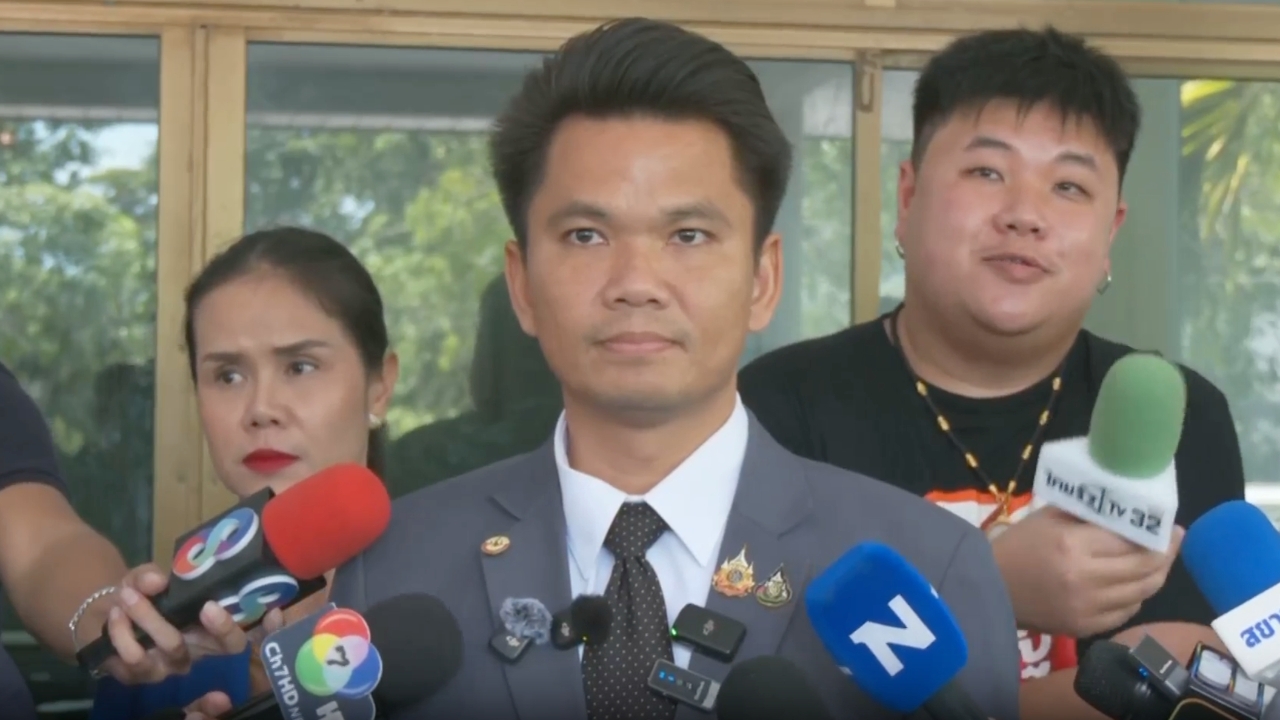
On 3 Aug 2026 GMT+7, Mr. Suksan Missachan, Chairman of the Pattaya Lawyers Council, disclosed after attending the suspect’s interrogation under Criminal Procedure Code Section 134/1 that investigators summoned “Fluke” for further questioning on several points after the suspect himself requested to provide additional testimony.
Mr. Suksan stated that during questioning, Fluke confirmed he was aware of and involved only in the murder of three Thai family members. Regarding the murder of the two Russian siblings and rumors of additional victims, the suspect claimed no knowledge or involvement.
During the interrogation, Fluke showed signs of stress and cried multiple times. He confessed to the charges presented by the investigators and provided some details that may aid the case. However, the lawyer could not disclose specifics from the case file as evidence collection and investigation into involved parties are ongoing.
Mr. Suksan said the suspect claimed his involvement resulted from coercion. However, this remains only the suspect’s statement, and police must verify it with witness testimony, physical evidence, and other circumstances before submitting the case to court for consideration.
Regarding questions about Fluke’s role—from traveling to the victims’ home, moving vehicles, to using the victims’ property—Mr. Suksan said the suspect admitted to some related charges but could not disclose who drove the vehicles or each person’s specific role, as these details are key parts of the investigation file.
Initially, investigators charged Fluke with the serious offense of premeditated joint murder and are considering additional charges related to property and post-incident conduct. The total number of charges remains undisclosed since the investigation is not yet complete.
Mr. Suksan explained this is a severe criminal case with the death penalty as the maximum sentence. The lawyer’s role during interrogation under Section 134/1 is to observe, ensure the suspect’s legal rights are respected, and advise on testimony rights without influencing or altering the suspect’s statements.
The lawyer informed Fluke that he has the right to tell the truth, and if his testimony aids the investigation, the court may consider it under the law. However, this does not automatically exempt him from liability or guarantee a reduced sentence, which depends on all evidence and the court’s discretion.
Mr. Suksan also revealed that during interrogation, Fluke cried and expressed fear of receiving the death penalty. The lawyer explained that premeditated joint murder carries the death penalty as the maximum punishment, but the final sentence depends on the court’s judgment and final ruling.
As for why Fluke only recently requested to add testimony despite the time elapsed since the incident, the suspect said he had previously been fearful but decided to surrender and cooperate with investigators after the case became public and police pursued those involved.
Regarding reports that police questioned Fluke to expand the case from five victims to seven, Mr. Suksan confirmed Fluke only acknowledged knowledge of the three Thai family victims and denied knowing about other deaths.
Investigators also questioned details such as the victims’ phone signals, travel routes, and related locations, but the lawyer declined to confirm specifics to avoid compromising ongoing evidence collection.
After the questioning concluded, authorities returned Fluke to custody as per the detention warrant since he is already remanded by the court. Additional interrogations require court permission, and after completion, the suspect must be returned to prison following procedure.
Mr. Suksan emphasized that although Fluke has confessed and cooperated with investigators, claims of coercion and the roles of each suspect must be proven through evidence during investigation and trial. All parties remain suspects or defendants with the right to defend themselves until a final court verdict.